
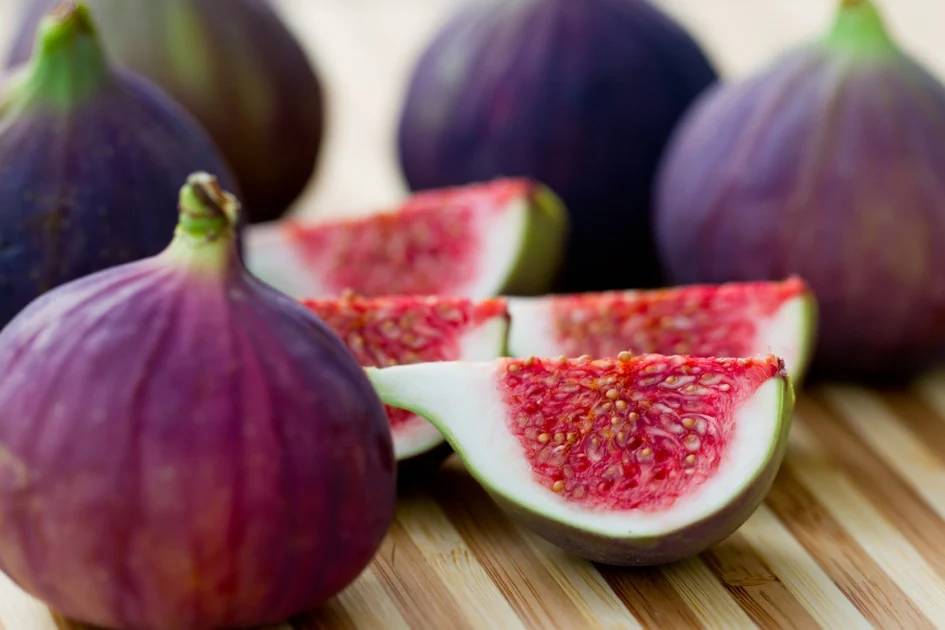
The Fig in the Quran: a fruit mentioned with wisdom
The fig in the Quran holds a special place, as it is mentioned at the opening of Surah At-Tin, when Allah swears by the fig and the olive. This brief yet powerful mention has drawn the attention of scholars, believers, and many readers seeking to understand the connection between the signs of creation and the spiritual teachings of Islam.
In the Islamic tradition, the elements mentioned in the Quran are never insignificant. A fruit, a tree, a mountain, or a period of time can become a profound reminder: they invite human beings to observe, reflect, give thanks, and return to their Creator.
The fig is also known for its nutritional qualities. Rich in fiber, minerals, and antioxidants, it is one of those simple, natural, and beneficial foods that have been found for centuries across Mediterranean and Eastern regions.
Yet it would be reductive to see the fig merely as a healthy fruit. Its presence in the Quran invites us above all to reflect on the signs of Allah, the beauty of His creation, and the way a believer can nourish both body, heart, and faith.
Réservez votre essai gratuit de 30 minutes
Formulaire d'inscription
Where is the fig mentioned in the Quran?
The fig is mentioned in Surah At-Tin, which means “The Fig”. In this short surah, Allah says, in approximate meaning: “By the fig and the olive.” This surah is often memorized from childhood, yet its message remains deeply meaningful for adults as well.
Scholars have explained that the fig and the olive may be understood in several ways. Some see them as a direct reference to these two blessed trees and their benefits. Others also see an allusion to places marked by revelation, prophethood, and divine guidance.
What is certain is that the Quran draws our attention here to simple, visible, and familiar signs. The fig grows on a tree that appears humble, yet its fruit is rich, sweet, nourishing, and deeply connected to the earth. The believer learns not to overlook the discreet signs that surround him.
Why does Allah swear by the fig?
In the Quran, when Allah swears by something He has created, this indicates its importance, value, or the message it carries. The believer does not worship creation, but learns to recognize in it the traces of divine wisdom.
The fig may remind us of several realities: the sustenance Allah provides, the perfection of creation, the sweetness that comes after ripening, and the need to take care of what God has entrusted to us.
Surah At-Tin does not speak only about the fruit. It then mentions the dignity of the human being, created in the best form, followed by his moral responsibility. The connection is profound: whoever observes the signs of Allah in creation must also reflect on his own purpose.
The fig is therefore not merely a food: it becomes a reminder. It directs the believer toward gratitude, reflection, and spiritual responsibility.
The fig in the Quran and its benefits for the believer
It is natural that many Muslims are interested in the benefits of the fig. This fruit is appreciated for its fiber content, natural sweetness, and the presence of several minerals that are useful for the body.
Figs contain potassium, calcium, magnesium, and antioxidants. They can be part of a balanced diet, especially when consumed in moderation, whether fresh or dried.
However, we must remain fair and balanced in the way we speak about it. The Quran is not a nutrition manual in the modern sense. It is, above all, a Book of guidance. When it mentions a fruit, it first teaches us to reflect, thank Allah, and recognize His blessings.
A Muslim can therefore appreciate the qualities of the fig while maintaining a balanced approach: taking care of one’s health without turning every Quranic mention into an absolute medical claim.
An invitation to reflect on the signs of Allah
The fig is one of those signs accessible to everyone. One does not need to be a specialist to understand that a fruit growing from a tree, ripening over time, nourishing human beings, and returning each season carries within it a lesson.
The Quran educates the believer’s gaze. It teaches us not to pass through the world distractedly. A fig, an olive, a date, a drop of rain, or a seed can become a doorway to reflection.
This approach is essential in Islamic education. It connects faith to daily life. A child, a convert, a student, or an adult returning to learning discovers that Islam does not separate spirituality from reality. On the contrary, it teaches us to view reality with depth.
Understanding the Quran with method and guidance
Surah At-Tin is short, yet it contains rich meanings. This is why studying the Quran requires method, humility, and reliable guidance. Reading a translation can help, but it does not replace the gradual study of context, Arabic vocabulary, and explanations transmitted by scholars.
To go further, it can be beneficial to follow a structured path through online Islamic studies courses, in order to study the foundations of belief, worship, and Quranic understanding with qualified teachers.
Likewise, learning Arabic helps one better appreciate the precision of the Quranic text. Even a beginner level already opens a new relationship with short surahs, invocations, and words frequently repeated in prayer. For this, a suitable program to learn Arabic online can help learners progress step by step without feeling lost.
How can this topic be taught to children or beginners?
The fig in the Quran is an excellent topic for introducing children or beginners to Quranic reflection. One can begin simply: show a fig, explain that Allah mentions this fruit in the Quran, then ask what it reminds us of.
This method makes learning lively. The child understands that the Quran does not speak only about rules, but also about visible signs in the world. He learns to connect faith with observation, gratitude, and respect for creation.
With adults, the approach can be deeper. One may study Surah At-Tin as a whole, understand its structure, then reflect on the connection between the creation of the human being, his dignity, and his responsibility before Allah.
Conclusion: the fig in the Quran, a reminder of faith and gratitude
The fig in the Quran reminds us that the signs of Allah are sometimes found in the simplest things. A fruit we may eat without much thought can become a source of reflection, gratitude, and spiritual education.
Through Surah At-Tin, the believer is invited to look at creation with an awakened heart. The fig and the olive are not merely elements of the landscape: they open the way to reflection on divine wisdom, human dignity, and the meaning of our journey on earth.
Studying this type of subject seriously helps us better understand the Quran, enrich our faith, and transmit to children a more living relationship with the Book of Allah.
FAQ
In which surah is the fig mentioned in the Quran?
The fig is mentioned in Surah At-Tin, which means “The Fig”. It appears in the very first verse, where Allah swears by the fig and the olive.
Is the fig a blessed fruit in Islam?
The fig is honored by being mentioned in the Quran. It can therefore be seen as an important sign of Allah’s creation, while avoiding attributing specific religious virtues to it without authentic proof.
Why should we study Surah At-Tin?
Surah At-Tin is short, but it contains profound teachings about the signs of Allah, human dignity, faith, and moral responsibility.

Aucun commentaire
Aucun commentaire pour le moment.