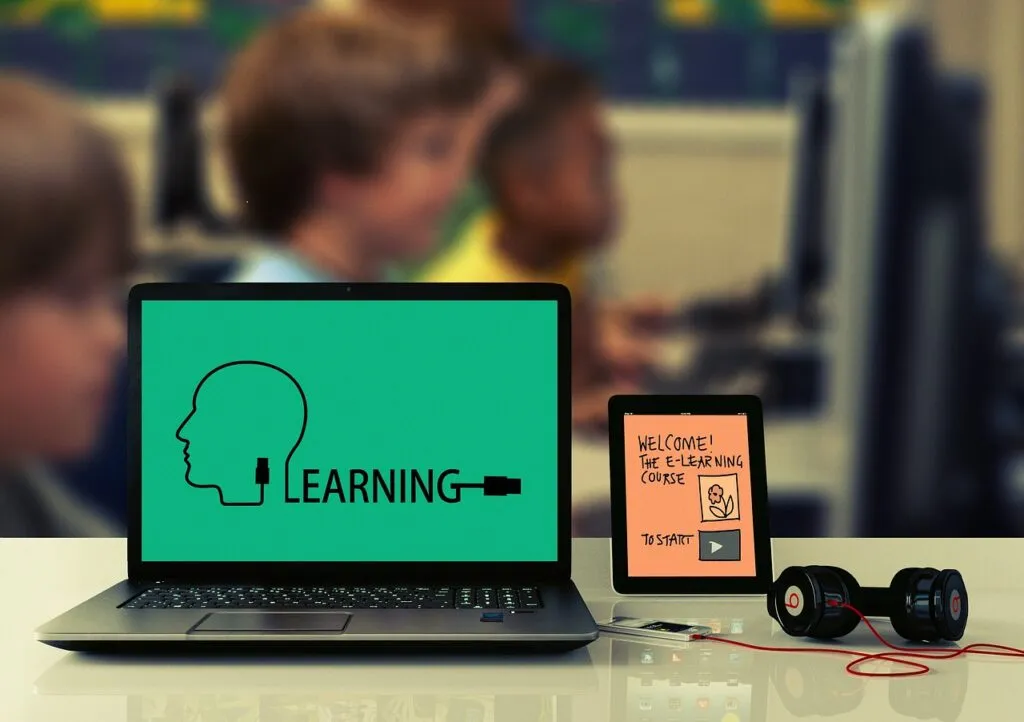
Learning Arabic online has become an essential skill for people worldwide, whether for religious, cultural, or professional purposes. The rise of digital platforms now makes learning Arabic more accessible, flexible, and convenient than ever before. If you’ve ever felt overwhelmed by the idea of attending in-person classes, online Arabic courses might be the perfect solution. In this article, we will explore the
best methods to learn Arabic online, provide valuable
tips for beginners and advanced learners, and compare the
top online platforms to help you achieve fluency.
Ready to start learning Arabic? Sign up for a free trial class with Al Dirassa Institute and see how our expert teachers can help you achieve your language learning goals.
Essai offert
Réservez votre essai gratuit de 30 minutes
Why Learn Arabic Online?
Learning Arabic online offers countless benefits. Here are the top reasons why it could be the ideal option for you:
- Flexibility: Whether a busy student or a working professional, online Arabic lessons allow you to learn at your own pace, adapting to your schedule.
- Access to Native Arabic Speakers: Many online platforms connect students with native-speaking Arabic teachers, giving you an authentic language learning experience.
- Comprehensive Learning Resources: From interactive exercises to real-time quizzes and video lessons, online Arabic courses provide diverse tools for all learning styles.
- Affordability: Online classes are often more cost-effective than traditional in-person courses, offering budget-friendly payment plans and free trial options.
Best Methods to Learn Arabic Online
Here are the
most effective methods to master Arabic online, whether you're a beginner or an advanced learner:
1. Learn the Arabic Alphabet
Start by mastering the
Arabic alphabet. Understanding the 28 Arabic letters and how to pronounce them correctly is fundamental to reading and speaking Arabic. Online platforms offer various tools, like interactive exercises, to help you get familiar with the script.
2. Grasp Basic Arabic Grammar
After learning the alphabet, focus on basic
Arabic grammar. Understanding sentence structures, verb conjugations, and noun-adjective agreements are key to progress. Many online courses break down these complex rules into easy-to-follow lessons.
3. Build Your Vocabulary
Building a strong Arabic vocabulary is essential. Use
spaced repetition systems (SRS), flashcards, and quizzes available on online platforms to memorize new words. Set weekly goals to learn new Arabic words and review them regularly for retention.
4. Practice Listening and Speaking
Listening and repeating are crucial for improving your pronunciation and fluency. Choose online courses that include listening comprehension exercises, audio lessons, and speech recognition software to help you practice
spoken Arabic.
5. Engage in Conversation
Practice speaking Arabic with native speakers through online platforms that offer one-on-one conversation sessions. If paid sessions are out of reach, you can join online
Arabic language exchange communities to practice conversational Arabic for free.
Tips for Beginners and Advanced Learners
For Beginners:
- Set Realistic Goals: Start by mastering basic conversational phrases and simple sentence structures.
- Use Visual Aids: Visual aids like charts and infographics can help reinforce your understanding of the Arabic script.
- Practice Daily: Dedicate at least 15-30 minutes a day to practicing Arabic, focusing on vocabulary and common phrases.
For Advanced Learners:
- Immerse Yourself in Arabic Media: Watch Arabic movies, listen to podcasts, and read newspapers to improve comprehension and expose yourself to different dialects.
- Dive Into Advanced Grammar: Focus on complex grammar topics, such as verb tenses, passive voice, and conditional sentences.
- Start Writing in Arabic: Writing essays or journals in Arabic will help improve both your grammar and vocabulary retention.
Comparison of the Best Online Platforms for Learning Arabic
Here’s a comparison of the
best online platforms for learning Arabic in 2024:
1. Al Dirassa Institute
Al Dirassa Institute offers comprehensive Arabic courses for all levels. Their curriculum is taught by native Arabic-speaking teachers, and they offer personalized, one-on-one lessons. Whether you want to master
Classical Arabic (Fusha) or improve your conversational skills, Al Dirassa Institute has a structured program tailored to your goals.
2. Arabic Pod101
Arabic Pod101 specializes in audio and video lessons, perfect for learners focused on improving listening and speaking skills. Their platform offers
spaced repetition flashcards, vocabulary tools, and interactive quizzes, making language learning engaging and effective.
3. Rosetta Stone
Rosetta Stone is a well-known platform for language learning, offering an
immersive Arabic course that uses visual and auditory methods to help learners associate new words with images. It’s particularly suitable for beginners looking for a self-paced learning option.
4. Qasid Institute
For advanced learners aiming to master
Modern Standard Arabic (MSA) or Arabic for specific purposes like academic research,
Qasid Institute provides a rigorous and comprehensive curriculum.
Student Testimonials
Sarah, Canada: “I’ve been learning Arabic with Al Dirassa for over six months, and I’m amazed at the progress I’ve made. The teachers are incredibly knowledgeable and patient, and the one-on-one lessons have really helped me build confidence in speaking Arabic.”
Mohamed, UK: “After struggling to find a local Arabic course, I decided to try learning online with Al Dirassa. The flexibility of online learning has been a game changer for me, and I’m now able to read and understand basic Arabic texts.”
Frequently Asked Questions (FAQ)
Q1: How long does it take to learn Arabic online?
The time it takes to learn Arabic online varies based on your practice. Beginners typically reach basic conversational skills within several months to a year, depending on their study routine.
Q2: Can I learn Arabic online for free?
Yes, many free resources are available, such as Duolingo, Memrise, and You Tube tutorials. However, paid platforms often provide more structured lessons, access to native teachers, and personalized feedback.
Q3: Should I learn Modern Standard Arabic (MSA) or a dialect?
It depends on your goals.
Modern Standard Arabic (MSA) is used in formal writing and media, while dialects like Egyptian or Levantine Arabic are used in daily conversation. For religious or academic purposes, MSA is essential. If you aim to communicate in a specific country, focus on the local dialect.
How to Stay Engaged and Improve Your Arabic Learning Experience
1. Join Online Arabic Learning Communities
Engage with other learners on online forums, social media, or language exchange apps. This will keep you motivated and expose you to various learning methods.
2. Stick to a Study Schedule
Create a daily or weekly Arabic study schedule. Whether it's reviewing vocabulary, listening to podcasts, or practicing speaking, consistency is key.
3. Integrate Arabic into Your Daily Life
Label household items in Arabic, read an Arabic newspaper each day, or challenge yourself to have basic conversations in Arabic.
4. Watch Arabic Content with Subtitles
Watching Arabic shows or movies with subtitles is an enjoyable way to enhance your listening comprehension and pick up colloquial phrases.
Conclusion
Learning Arabic online offers a practical and effective way to master one of the world’s most widely spoken languages. With platforms like
Al Dirassa Institute providing personalized learning experiences, anyone can embark on this language journey and reach fluency at their own pace.
Ready to start learning Arabic? Sign up for a free trial class with Al Dirassa Institute and see how our expert teachers can help you achieve your language learning goals. To know more:
Best Online Arabic Courses.


Aucun commentaire
Aucun commentaire pour le moment.