
Introduction
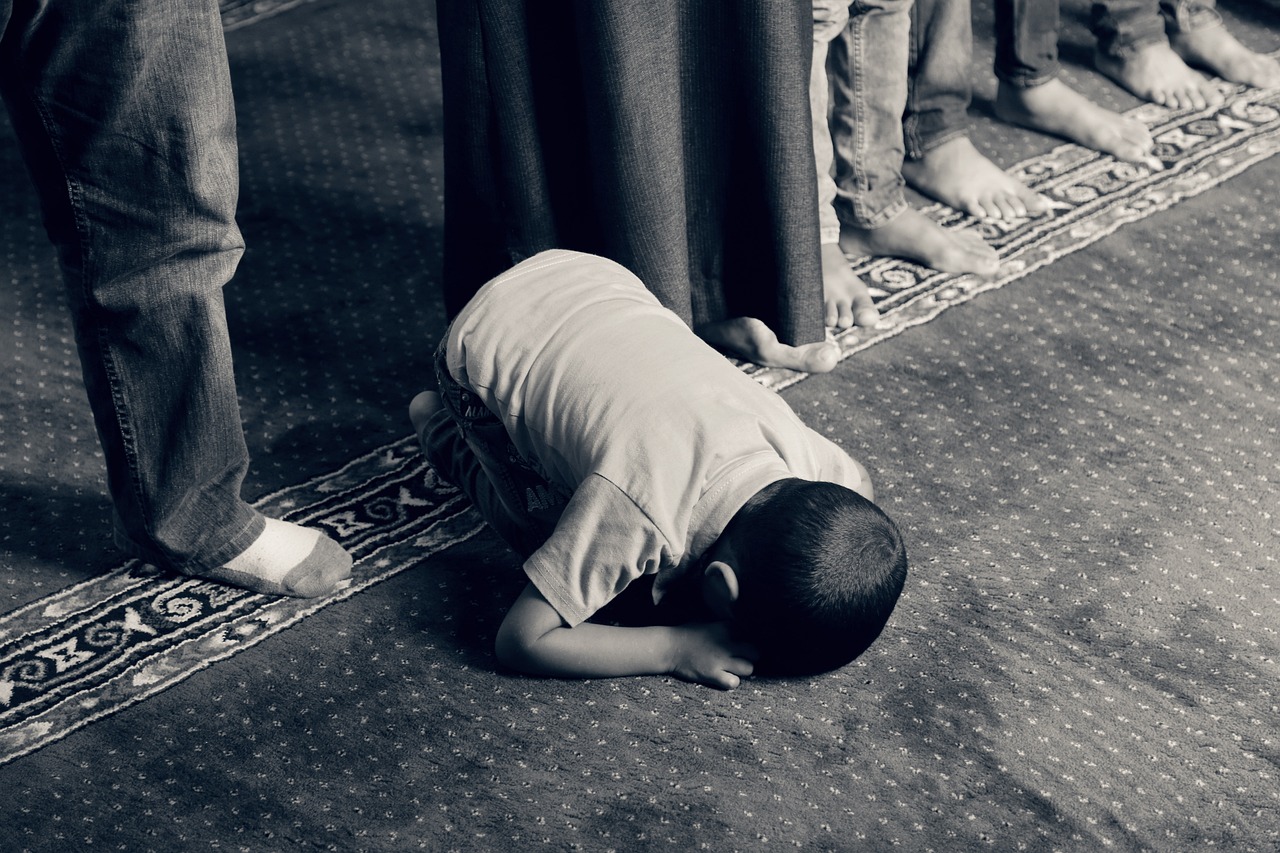
Prayer holds a central position in Islam, often referred to as the cornerstone of the faith. Quranic verses and Hadith emphasize its significance. For instance, the Quran states, "And establish prayer. Indeed, prayer prohibits immorality and wrongdoing..." (Surah Al-'Ankabut, 29:45). Similarly, a Hadith reported by Imam Ahmad underscores, "The first of man's deeds for which he will be called to account on the Day of Resurrection will be the prayer." Ramadan, on the other hand, is a month of fasting, prayer, and spiritual reflection, representing the fourth pillar of Islam. This sacred month is dedicated to soul purification, deepening faith, and introspection. Allah says in the Quran, "O you who have believed, decreed upon you is fasting as it was decreed upon those before you that you may become righteous..." (Surah Al-Baqarah, 2:183). This introduction sets the stage for exploring the interaction between prayer and Ramadan, addressing essential questions such as the validity of fasting without prayer.
1. Prayer in the Life of a Muslim
The Central Role of Prayer in Islam:
Prayer, or Salah, is described in the Quran as a fundamental pillar of the Muslim faith. Allah says, "Certainly, prayer prohibits immorality and wrongdoing..." (Surah Al-'Ankabut, 29:45), emphasizing its importance in a believer's life.
How Prayer Shapes Daily Spirituality:
Prophet Muhammad (peace be upon him) stated, "Prayer is the light of my eye" (Sahih Al-Bukhari). This highlights the role of prayer as a source of guidance and tranquility in the daily lives of Muslims, structuring their day and strengthening their connection with Allah.
2. Ramadan: A Month of Spiritual Renewal
Spiritual and Ritual Significance of Ramadan:
Ramadan is a blessed month marked by fasting, prayer, and spiritual reflection. It is during this month that the Quran was revealed, as mentioned in the Quran, "The month of Ramadan [is that] in which was revealed the Quran, a guidance for the people..." (Surah Al-Baqarah, 2:185). This period is an invitation to strengthen one's faith and draw closer to Allah.
Interaction between Fasting and Prayer:
Fasting during Ramadan enhances awareness of Allah's presence, and prayer becomes a means to express this heightened awareness. As Prophet Muhammad (peace be upon him) said, "Fasting and the Quran will intercede for the servant on the Day of Resurrection" (Sahih Al-Bukhari). This connection between fasting and prayer enriches the Ramadan spiritual experience.
3. Interrelation between Prayer and Fasting
Is Fasting Valid without Prayer? Analysis and Perspectives:
This question addresses a fundamental aspect of Islamic practice. Sheikh Mohamed Ali Ferkous' fatwa indicates a divergence of opinions on the validity of fasting for those neglecting prayer. Some scholars, based on the Hadith "Between a man and polytheism and disbelief is abandoning the prayer" (Sahih Muslim), consider fasting by someone abandoning prayer might be invalid, reflecting the severity of neglecting prayer. Others, however, argue that fasting remains valid if the person acknowledges the obligation of prayer but neglects it out of laziness, as faith and recognition of the obligation are present. Beware of the behavior of only praying during Ramadan and abandoning prayer in other months of the year. Indeed, this can be a severe act of hypocrisy. Ibn Mas’ood (may Allah be pleased with him) said: Allah mentions prayer often in the Quran: "Except for those who are devoted to Salaah (prayers)" [Al-Ma’aarij 70:23], "And those who strictly guard their (five compulsory congregational) Salawaat (prayers) (at their fixed stated hours)" [Al-Mu’minoon 23:9, Al-Ma’aarij 70:34], "So woe to those performers of Salaah (hypocrites), Those who delay their Salaah (prayer from their stated fixed times)" [Al-Ma’oon 107:5]. He said: This warning is about (not praying) on time. They said: O Abu ‘Abd al-Rahman, we thought it was about not praying at all. He said: Not praying at all is kufr (disbelief). Imagine the seriousness of delaying your prayers and put it into perspective with not praying at all. Also, we ask Allah to make worship easy for all Muslims and suggest frequently repeating this supplication: Translation: "O Allah! Help us to thank You, to remember You, and to worship You properly." Phonetic: "Allahoumma A'inna 'Ala Choukrika Wa Dhikrika Wa Housni 'Ibadatik"
Arabic: اللَّهُمَ أَعِنَّا عَلَى شُكْرِكَ وَ ذِكْرِكَ وَ حُسْنِ عِبَادَتِكَ
The Impact of Prayer on the Authenticity of Fasting:
These perspectives underscore the importance of prayer as a central pillar of Islam, influencing the practice of other pillars like fasting. Prayer reinforces spirituality and connection with Allah, essential elements for sincere and authentic fasting. The interaction between these two practices illustrates how Islamic spirituality is interconnected and strengthened by consistency and sincerity in worship. For an in-depth exploration of these questions, Sheikh Mohamed Ali Ferkous' source provides detailed analyses and opinions on this complex theme Sheikh Mohamed Ali Ferkous.
4. Specific Prayers of Ramadan Tarawih:
Meaning and Practice:
Tarawih prayers, performed in congregation after Isha during Ramadan, provide an opportunity to immerse oneself in the recitation of the Quran. They strengthen the community and spirituality during this sacred month.
Night Prayers (Tahajjud) and Their Benefits:
In addition to Tarawih, Tahajjud prayers are highly recommended. Prophet Muhammad (peace be upon him) said, "The best of prayer after the obligatory prayers is the night prayer" (Sahih Muslim). Tahajjud offers moments of tranquility and intimacy with Allah, enhancing piety and personal spiritual reflection.
Conclusion
This guide has delved into the depth of prayer and fasting during Ramadan. We addressed the crucial importance of prayer in a Muslim's life, the spiritual significance of Ramadan, and how these two practices mutually reinforce each other. In particular, we examined nuances around the validity of fasting without prayer and the impact of specific Ramadan prayers like Tarawih and Tahajjud. By fully integrating prayer and fasting into your Ramadan practice, you can enrich your spiritual experience and draw closer to Allah. May this Ramadan be a time of growth, reflection, and spiritual communion for all. To Know More: 10 tips to prepare Ramadan Réservez votre essai gratuit de 30 minutes
Formulaire d'inscription




Aucun commentaire
Aucun commentaire pour le moment.