
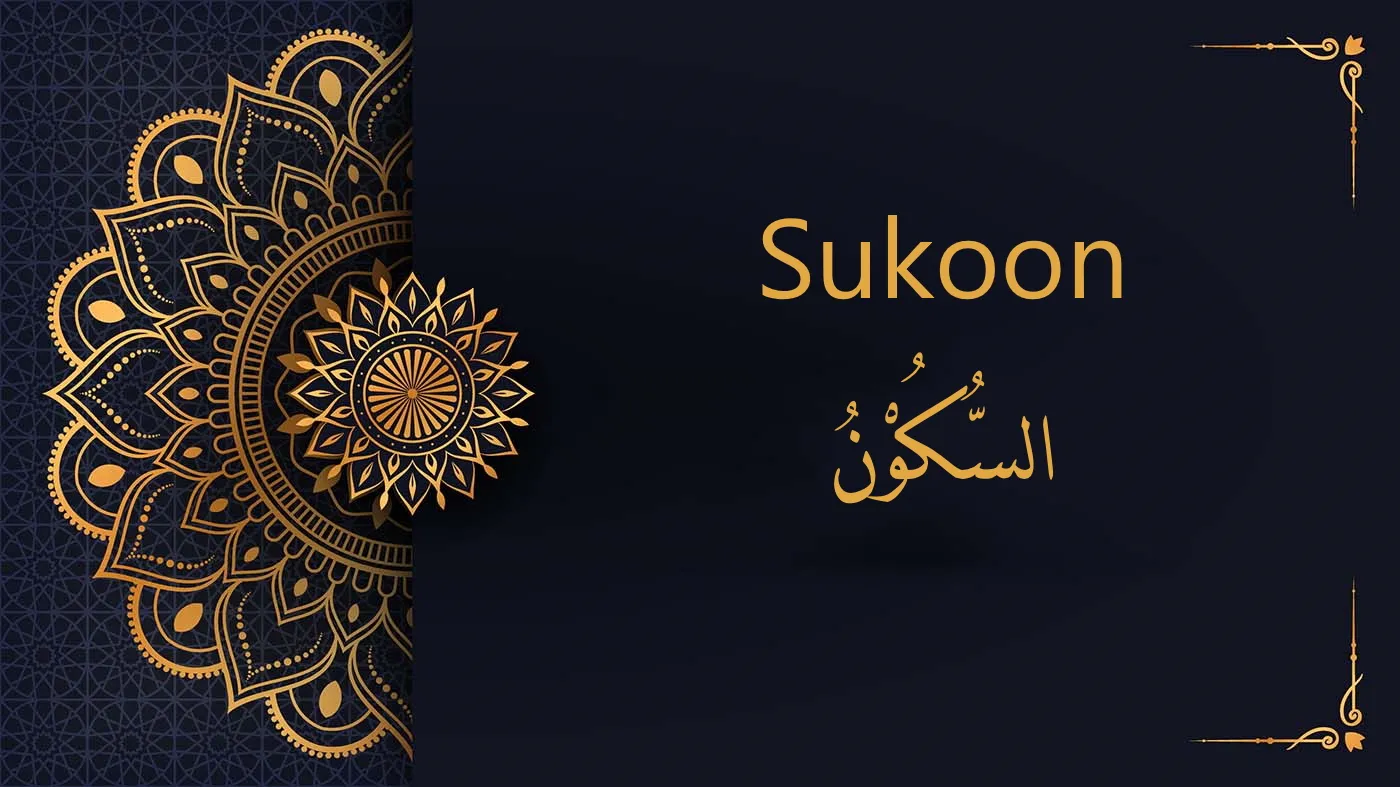
 Welcome to our 5th lesson in the Arabic free course. Previously, we explored Arabic alphabet letters, short vowel marks, tanween, and long vowel marks. In this new lesson, we delve into the concept of sukoon (the absence of a vowel) in Arabic.
Beforehand, we learned how to vocalize with short vowel marks (a or i), forming sounds with consonants and vowels:
- The Arabic letter "ba" (ب) with a fatha mark produces the sound "BA" (ب).
- The Arabic letter "ba" (ب) with a kasra mark yields the sound "BEE" (بِ).
- The Arabic letter "ba" (ب) with a damma mark creates the sound "BOO" (بُ).
Definition of the Sukoon in arabic
Now, let's explore how to produce the sound "BAB." To create this sound, we begin with the Arabic letter:
بَ
then followed by the letter
ب
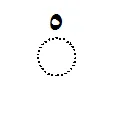
on which we place the Sukoon symbol
ْ
As a result, "BAB" is written as:
بَبْ
Please take note of the following:
- Arabic words are written from right to left.
- Arabic letters undergo shape changes when connected with other letters as they form ligatures.
|
أَنْفٌ |
بَيْتٌ |
مَسْجِدٌ |
Arabic word example |
| Audio | |||
| Nose | House | Mosque | Translation |
| /Anfun/ | /Baytun/ | /Masĵidun/ | Phonetic |
Conclusion
In our upcoming lesson, we'll explore the Shedda in the Arabic language, insha Allah.
Al-dirassa Institute provides you with the opportunity to effortlessly study the Arabic language under the guidance of qualified instructors. If you're interested, please don't hesitate to reach out to us for more information.





Aucun commentaire
Aucun commentaire pour le moment.