
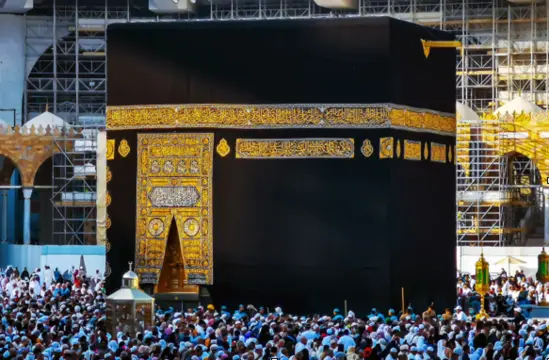
Muslims believe that performing Umrah can revive their faith, as it contributes to spiritual purification, seeking forgiveness for sins, and enables them to build a strong connection with Allah Almighty. Umrah is also a source of expiation for all previous sins, accompanied by the blessings of worship, rituals, duʿāʾ, and adhkār of Allah SWT. Thus, Muslims travel long distances to gain these religious and spiritual benefits, including the revival of their faith after seeking forgiveness for previous bad deeds and sins. Umrah holds significant importance in strengthening the bond with Allah Almighty and brings Muslims closer to Allah.
As our Beloved Prophet Muhammad (PBUH) stated in his Hadith:
الْعُمْرَةُ إِلَى الْعُمْرَةِ كَفَّارَةٌ لِمَا بَيْنَهُمَا، وَالْحَجُّ الْمَبْرُورُ لَيْسَ لَهُ جَزَاءٌ إِلَّا الْجَنَّةُ
“Umrah is an expiation for the sins committed between it and the previous Umrah, and the reward of Hajj Mabrur (one accepted) is nothing but Jannah (Paradise).”
(Sahih al-Bukhari 1773)
Muslim pilgrims traveling for Umrah can gain all these benefits from this sacred pilgrimage. They are able to save on their costs by booking affordable Umrah packages. This enables them to gather all the rewards of the Umrah pilgrimage, including the revival of faith, building a deep connection with Allah Almighty, and seeking forgiveness for sins.
Spiritual purification and renewal of faith
Umrah is a profound act of worship in Islam that serves as a significant opportunity for spiritual purification (Tazkiyah), seeking forgiveness for sins, and reviving faith. Umrah is a sacred journey of cleansing the soul by abandoning sins. Muslims feel detachment from worldly affairs and attachments and feel themselves connected to Allah SWT. Wearing a simple two-piece white cloth is a symbolic representation of entering a state of purity and abandoning all material attachments.
- Expiation of sins: Muslim pilgrims can ask forgiveness from Allah SWT with sincerity, and Allah pays heed to their pleas and washes away their sins and bad deeds.
- Strong bond with Allah: Muslim pilgrims can build a strong connection with Allah during Umrah by performing sacred rituals, engaging in worship, asking forgiveness, and presenting numerous supplications before Him.
- Life-changing experience: The lesser pilgrimage is a sacred act of worship that proves to be a life-changing experience, as the personality of pilgrims is transformed. Pilgrims become more pious and righteous after completing Umrah.
Self-reflection and increased focus
Humans are special creations of Allah who are meant to bow only before Allah SWT. The practical demonstration of this submission is witnessed during Umrah, when pilgrims prostrate solely before Allah SWT. They are not dependent on others for daily resources but rely only on Allah SWT for all their needs and provisions. This self-worth and self-reflection are experienced during Umrah, when pilgrims feel detached from worldly support and connect only with Allah SWT. Muslim pilgrims can cultivate self-reflection during and after Umrah by purifying their intentions. They can travel for Umrah by booking packages that offer all necessary amenities, including hotels, flights, transportation, and Umrah visa approval.
- Distraction from worldly interests: Muslim pilgrims can fully focus on performing Umrah rituals and distance themselves from worldly distractions. This spirit is awakened during Umrah and encourages pilgrims to focus entirely on worship.
- Shedding ego, grudges, and grief: Umrah involves humility, as Muslims prostrate before Allah SWT. The burdens of grief, grudges, and ego are heavy, and pilgrims are able to release them during this sacred journey.
- Inner peace, serenity, and tranquility: Continuous remembrance of Allah SWT, worship, and supplication during Umrah cultivates inner peace, serenity, and tranquility among pilgrims.
Connection with Islamic principles
Muslim pilgrims performing Umrah can build a deep connection with the core values of Islam that guide individual morality and shape the social structure of the community. This is why Muslims who have performed Umrah often become closer to Allah and their religion and more actively practice Islamic principles, such as performing the five daily prayers and reciting the Holy Quran.
- Belief in the Oneness of Allah: Umrah strengthens the faith of Muslims in Allah and reinforces belief in His Oneness. This trust encourages them to remain pious and noble throughout their lives.
- Zakat and charity: During Umrah, pilgrims learn the importance of charity by giving to those in need for the sake of Allah SWT. After returning home, they continue to practice these values in their daily lives.
- Taqwa (God-consciousness): Muslims become more mindful of Allah through reflection on the warnings and guidance found in the Holy Quran. They recite verses and surahs in Arabic and translation, adopting Taqwa through heightened God-consciousness.
A reminder of the hereafter
From the beginning of Umrah, wearing the simple white two-piece ihram, circumambulating the Holy Kaaba, and walking between the hills are all performed solely for the pleasure of Allah SWT. This dedication and devotion serve as a powerful reminder that the soul and body of all humans belong to Allah and that everyone will return to their Creator and be accountable to Allah Almighty for their deeds. The Umrah journey is filled with challenges and demanding rituals that can be seen as similar to the gathering on the Day of Judgment.


No Comments
No comments yet.