
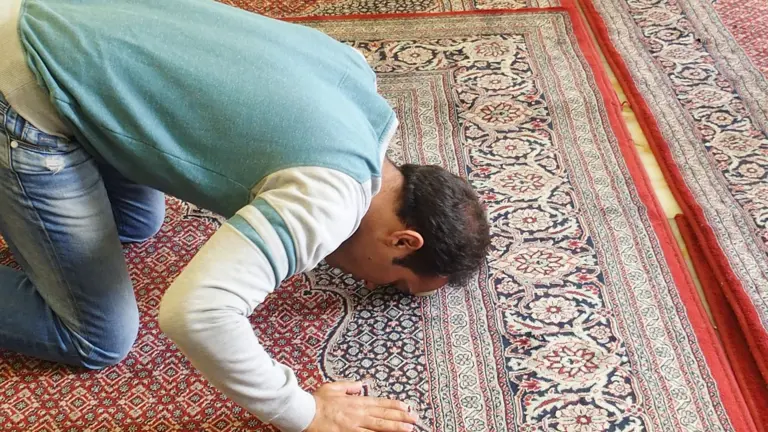
Prostration (Sujood) in Islamic prayer holds great spiritual significance. Allah mentions in the Quran: "Prostrate and draw near [to Allah]" (Surah Al-'Alaq, 96:19), emphasizing the value of Sujood as an act of humility and closeness to the Creator. Additionally, Prophet Muhammad (peace be upon him) said: "The servant is closest to his Lord while prostrating" (Sahih Muslim). These moments of Sujood are crucial for intimate and sincere communication with Allah, offering a unique opportunity for personal supplications and strengthening faith. Prophetic invocations during Sujood: All the following invocations are from authentic hadiths of the Prophet.
Invocation 1
English: Say 3 or 5 times: Glory to my Lord, the Most High Arabic:
سبحان ربي الأعلى
Phonetic: Subḥāna rabbiyal a‘lā
Invocation 2
English: O Lord! It is to You that I prostrate, it is in You that I have believed and to You that I have entirely submitted. My face has prostrated to the One who created it, gave it its form, hearing, and sight. Blessed be Allah, the Best of creators. Arabic:
اللّهُـمَّ لَكَ سَـجَدْتُ وَبِـكَ آمَنْـت ، وَلَكَ أَسْلَـمْت ، سَجَـدَ وَجْهـي للَّـذي خَلَقَـهُ وَصَـوَّرَهُ وَشَقَّ سَمْـعَـهُ وَبَصَـرَه ، تَبـارَكَ اللهُ أَحْسـنُ الخـالِقيـن
Phonetic: Allâhumma laka sajadtu, wa bika âmantu, wa laka ‘aslamtu. Sajada wajhî li-l-ladhî khalaqahu wa sawwarahu wa shaqqa samcahu wa basarahu. Tabâraka l-lâhu ahsanu-l-khâliqîn.
Invocation 3
English: O Lord! It is to You that I prostrate, it is in You that I have believed and to You that I have entirely submitted. My face has prostrated to the One who created it, gave it its form, hearing, and sight. Blessed be Allah, the Best of creators. Arabic:
اللّهُـمَّ لَكَ سَـجَدْتُ وَبِـكَ آمَنْـت ، وَلَكَ أَسْلَـمْت ، سَجَـدَ وَجْهـي للَّـذي خَلَقَـهُ وَصَـوَّرَهُ وَشَقَّ سَمْـعَـهُ وَبَصَـرَه ، تَبـارَكَ اللهُ أَحْسـنُ الخـالِقيـن
Phonetic: Allâhumma laka sajadtu, wa bika âmantu, wa laka ‘aslamtu. Sajada wajhî li-l-ladhî khalaqahu wa sawwarahu wa shaqqa samcahu wa basarahu. Tabâraka l-lâhu ahsanu-l-khâliqîn.
Invocation 3
English: "O Allah, I have wronged myself greatly, and no one forgives sins except You. So forgive me with a forgiveness from You, and have mercy on me. Indeed, You are the Forgiver, the Merciful." Arabic:
اللَّهُمَّ إِنِّي ظَلَمْتُ نَفْسِي ظُلْماً كَثِيراً، وَلَا يَغْفِرُ الذُّنُوبَ إِلَّا أَنْتَ، فَاغْفِرْ لِي مَغْفِرةً مِنْ عِنْدِكَ، وَارْحَمْني، إِنَّكَ أَنْتَ الْغَفُورُ الرَّحِيمُ
Phonetic: Allâhoumma innî zalamtou nafsî zulman kathîran, wa lâ yaghfirou dh-dhounûba illâ anta. Fa-ghfir lî maghfiratan min 'indika, wa rhamnî, innaka anta-l-ghafoûrou r-rahîm.
Invocation 4
English: According to Abu Huraira (may Allah be pleased with him), the Prophet (peace and blessings be upon him) used to say in his prostration: "O Allah! Forgive me all my sins, the small and the great, the first and the last, those that are apparent and those that are hidden." Arabic:
اللَّهُمَّ اغْفِر لِي ذَنْبِي كُلَّهُ دِقَّهُ وَجُلَّهُ وَأَوَّلَهُ وَآخِرَهُ وَعَلاَنِيَتَهُ وَسِرَّهُ
Phonetic: Allahoumma Ghfirli Dhanbi Koullahou Diqqahou Wa Joullahou Awwalahou Wa Akhirahou Wa ‘Alaniyatahou Wa Sirrahou
Invocation 5
Ask Allah for what you want because it is in this position that you are closest to Allah, and it is at this moment of total humility that you can ask Allah, who encourages His servants to ask Him. To Know More: Traverler's supplication
Book your free trial of 30 minutes
Registration form




No Comments
No comments yet.
No comments yet.