
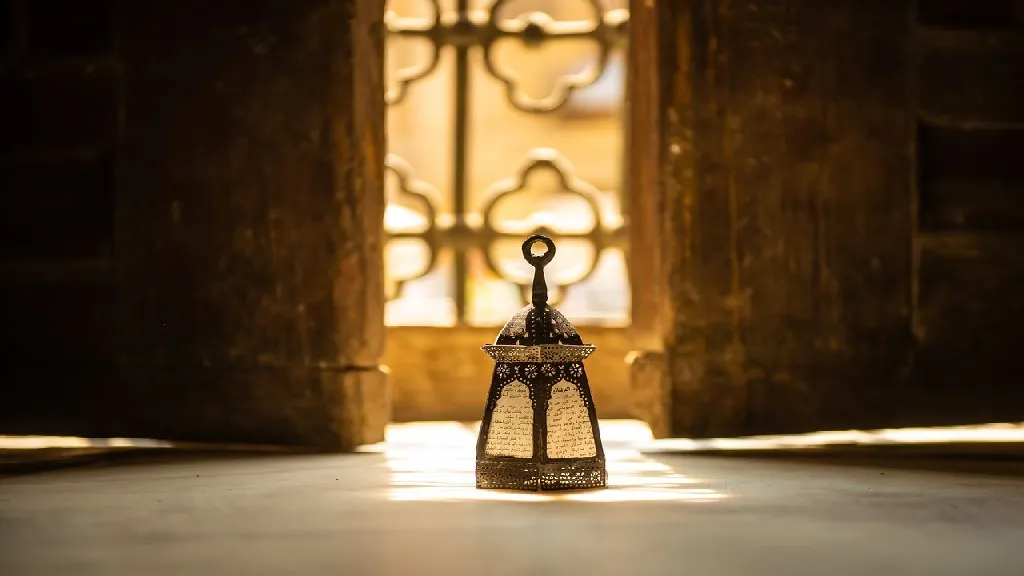
Why Learning Arabic is Crucial: Delving into its Significance and Beauty
The significance of learning Arabic transcends just the art of mastering a language. Arabic, especially its classical form, is a linguistic marvel that has journeyed through millennia, evolving but largely maintaining its core essence. This article dives deep into the intrinsic value of Arabic, encompassing its historical roots, its paramount role in Islam, and its global importance.
The Global Stature of Arabic
Arabic, the official language of 22 nations, boasts over 300 million native speakers spread across the globe. Its reverence extends to it being the sole language in which the Quran is recited. Such is its linguistic expanse that Arabic stands as the fifth most spoken language worldwide.
In 1974, the United Nations elevated Arabic to be one of its six official languages alongside Chinese, English, French, Russian, and Spanish. Its unique right-to-left script preserves the language's authenticity, connecting it to its storied past. Unlike many languages that underwent significant shifts, Arabic has remarkably retained its originality, providing a bridge to ancient texts that date back over a millennium.
Arabic and Its Inextricable Bond with Islam
Islam's rise played an instrumental role in the proliferation and preservation of the Arabic language. Contrary to many religions, Islam emphasizes the significance of the language of its revelation. Sacred texts like the Quran and the Sunnah (which encompasses the deeds and teachings of the Prophet) underline the indispensability of learning Arabic.
Before Islam's advent, Arabs took immense pride in their language, viewing it as superior. The term for “foreigner” in Arabic, “‘ajamiyy”, translates to “mute, ” illustrating their perspective on non-Arabic speakers. Poetry was a central aspect of pre-Islamic Arab culture, with poets being pivotal figures in societal conflicts, often averting wars with the sheer power of their words.
Tracing the Roots: Understanding 'Arabic'
The term "Arabic" is believed to be derived from "i’râb", signifying 'great clarity'. This Semitic language, akin to Aramaic and Hebrew, prides itself on its precision, expressiveness, and the balance it strikes between brevity and elaboration.
The Quran frequently extols the virtues of the Arabic language:
“Indeed, We have sent it down as an Arabic Qur’an that you might understand.” (12:2)
“And thus We have sent it down as an Arabic Qur’an and have diversified therein the warnings that perhaps they will avoid [sin] or it would cause them remembrance.” (20:113)
“And We certainly know that they say, “It is only a human being who teaches the Prophet.” The tongue of the one they refer to is foreign, and this Qur’an is [in] a clear Arabic language.” (16:103)
The Sayings of the Companions and Scholars on Arabic
The companions of the Prophet, early scholars, and even contemporary thinkers have consistently emphasized the importance of Arabic.
‘Umar ibn Al-Khattab, the second Caliph, remarked, “Learn the Arabic language because it is part of your religion” and “Do the grammatical analysis of the Quran because it is in Arabic.”
Sheikh Al Islam Ibn Taymiya elucidated that understanding the Quran and Sunnah, which are indispensable, is only possible through Arabic. This sentiment was echoed by numerous other scholars, reinforcing that Arabic isn't merely a language but an essential gateway to understanding one's faith.
Conclusion: Embracing the Treasure of Arabic
In summary, Arabic isn't just a language; it's a treasure trove of history, culture, and faith. Whether you approach it from an international perspective or through the lens of Islam, its value is undeniable.
For those keen to delve deeper, books like The Extraordinary History of the Arabic Language and The Importance Of The Arabic Language come highly recommended.
Moreover, remember that with commitment, anyone can grasp the intricacies of Arabic, even its nuanced grammar. As you embark on this linguistic journey, you're not just learning a language but immersing yourself in a rich tapestry of history and spirituality.
The Al-Dirassa Institute provides a range of online courses in Arabic, Quran, and Islam tailored for non-Arabic speakers. To enroll in our courses or learn more, please don’t hesitate to get in touch with us today.





No Comments
No comments yet.