
Introduction
The beauty and intricacy of the Arabic language have captivated minds for generations. This ancient language, which has evolved and adapted over centuries, offers learners a window into a rich tapestry of history, culture, and tradition. Embarking on the journey of learning Arabic promises not only linguistic knowledge but also a deeper understanding of the Arab world and its myriad nuances.
Essential Principles of Arabic
1. The Allure and Challenge of Arabic
While the aesthetic appeal of Arabic script and its melodic phonetics attracts many, the language's structural differences from Indo-European languages can present challenges. However, equipped with the right tools and mindset, these challenges transform into rewarding milestones.
2. Modern Standard Arabic vs. Dialects
Modern Standard Arabic, the standard version of Arabic taught in schools and used for official purposes, serves as a unifying linguistic thread across the Arab world. However, the Arabic-speaking world is diverse, and regional dialects add layers of depth to this already complex language. Being aware of these dialects aids in both comprehension and communication, especially when traveling through different Arabic-speaking regions.
3. Navigating Genders & Nominal Structures
In Arabic, nouns and adjectives are gendered. Masculine and feminine structures often follow set patterns, with the 'ta marbuta' serving as a primary identifier for feminine words. As you delve deeper into Arabic, recognizing these patterns can drastically speed up vocabulary acquisition and sentence construction.
4. Sentence Structures & Object Placement
Arabic sentence structures, especially concerning direct and indirect objects, are logical. By appending suffixes to verbs, learners can easily distinguish and construct intricate sentences, allowing for more expressive communication.
5. Adjectives & Their Nuances
Adjectives in Arabic follow nouns, and their forms adjust based on the gender and number of the nouns they modify. Recognizing these rules and patterns ensures that your descriptions are both accurate and evocative.
6. Unique Vocabulary & Phonetics
Arabic's vocabulary offers a fascinating blend of ancient terms, borrowed words, and new additions. Moreover, certain phonetic sounds in Arabic are unique, giving the language its distinctive melody.
7. Reading from Right to Left
One of the most noticeable differences for newcomers to Arabic is its reading direction. This shift can initially be disorienting, but over time, it becomes second nature and even aids in enhancing cognitive flexibility.
The Quran: A Deep Dive into Classical Arabic
1. The Quran: Beyond the Religious
While the Quran is a religious text, its linguistic value is unparalleled. Delving into its verses offers learners an authentic experience of classical Arabic, enriched with metaphors, allegories, and a rhythm that's deeply poetic.
2. Phonetics and Pronunciation Mastery
The phonetic richness of the Quran is a treasure trove for those keen on perfecting their pronunciation. Regularly listening to recitations, especially by renowned Qaris, can greatly enhance one's auditory skills and accent.
3. Translations: Bridging Understanding
Studying the Quran with a side-by-side translation in your native language can provide context and deepen understanding. This dual approach fosters both linguistic and cultural comprehension.
4. The Threefold Memorization Technique
Engaging with the Quran activates three primary memory faculties:
- Visual Memory: By reading and reflecting upon the verses.
- Motor Memory: Through the act of writing or typing verses, especially if one practices calligraphy.
- Auditory Memory: Via consistent listening to recitations.
5. The Importance of Tajweed
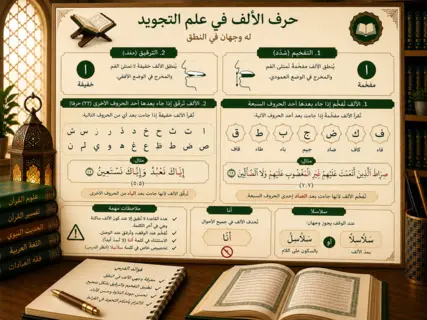
Tajweed, the art of Quranic recitation, emphasizes the correct pronunciation and melodic delivery of verses. Learning Tajweed can further polish one's Arabic pronunciation and understanding of phonetic nuances.
Delving Deeper: The Arabic Alphabet and Beyond
1. The Alphabet as the Backbone
The Arabic script, with its 28 letters, is the foundation of the language. Each letter has multiple forms based on its position in a word, and many letters have unique sounds not found in Western languages.
2. Perfecting Pronunciation through Repetition
Recording yourself and playing it back can be an invaluable tool. This method allows learners to compare their pronunciation with native speakers and make necessary adjustments.
3. Advanced Grammar and Morphology
As one progresses, topics like verb conjugation, derived noun forms, and the root system of Arabic words become crucial. Arabic's triliteral root system is a fascinating linguistic feature where words are derived from three-letter roots.
4. Expanding Vocabulary: Techniques and Tips
Mind maps, flashcards, and mnemonic devices can assist in vocabulary acquisition. Engaging with Arabic media, literature, and music also helps in embedding new words into one's active vocabulary.
Conclusion
Learning Arabic is more than just a linguistic endeavor; it's an immersion into a world rich in history, culture, and tradition. With patience, dedication, and the right resources, mastering Arabic becomes a journey filled with discovery and enlightenment. As with any language, consistent practice and genuine curiosity are key. Whether you're reading a thousand-year-old poem or having a casual conversation, the beauty and depth of Arabic will continually inspire and captivate.
The Al-Dirassa Institute provides a range of online courses in Arabic, Quran, and Islam tailored for non-Arabic speakers. To enroll in our courses or learn more, please don’t hesitate to get in touch with us today.




Aucun commentaire
Aucun commentaire pour le moment.