
The concept of punishment in the grave (
عذاب القبر) is an essential part of Islamic beliefs, supported by both the Quran and the Sunnah. It serves as a reminder of the consequences of one's actions in this world and emphasizes the importance of living a righteous life according to Islamic teachings. In this article, we will explore what the Quran and the authentic Hadiths say about this topic, along with ways to seek protection from this punishment.
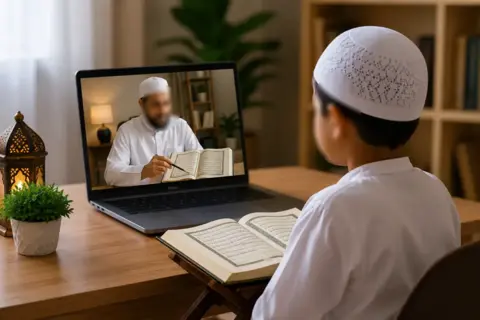
Al-Dirassa Institute offers a unique opportunity for Muslims around the world to learn Arabic and study Islamic texts in-depth, all from the comfort of their own home.
The Reality of the Grave in Islam:
Islam teaches that after death, a person enters the realm of the Barzakh, an intermediate stage between this life and the Day of Judgment. The righteous will experience peace and blessings in their graves, while the sinners and disbelievers will face torment. This belief encourages Muslims to remain steadfast in their faith and good deeds.
Essai offert
Réservez votre essai gratuit de 30 minutes
What Does the Quran Say About the Punishment in the Grave?
Although the Quran does not explicitly mention the phrase "punishment in the grave, " several verses indicate that sinners will face torment after death before the Day of Judgment: Surah Ghafir (40:46) – Regarding the people of Pharaoh, Allah says: "The Fire; they are exposed to it morning and evening. And the Day the Hour appears [it will be said], 'Make the people of Pharaoh enter the severest punishment.'" This verse indicates that certain people will suffer punishment even before the Day of Judgment. Surah At-Tawbah (9:101) – Allah warns about hypocrites: "We will punish them twice; then they will be returned to a great punishment." Tafsir scholars explain that "twice" refers to punishment in the grave and Hellfire.
What Does the Sunnah Say About the Punishment in the Grave?
Numerous authentic Hadiths from the Prophet Muhammad (ﷺ) provide detailed descriptions of the punishment in the grave: Hadith in Sahih Bukhari – The Prophet (ﷺ) said: "When a believer is buried in his grave, two angels come to him and ask, 'Who is your Lord? What is your religion? Who is this man who was sent among you?' If he answers correctly, his grave is widened and filled with light. But if he fails, he is struck with an iron hammer, causing him to scream in pain." (Bukhari and Muslim) Hadith in Abu Dawood – The Prophet (ﷺ) used to seek refuge from the punishment of the grave: "O Allah, I seek refuge in You from the punishment of the grave, the punishment of Hellfire, the trials of life and death, and the evil of the trial of the False Messiah.
How to Protect Oneself from the Punishment in the Grave?
Islam teaches several ways to protect oneself from the torment of the grave, including:
- Sincere Faith and Righteous Deeds – Strengthening one’s belief in Allah and performing good deeds regularly.
- Regular Recitation of Surah Al-Mulk – The Prophet (ﷺ) said: “Surah Al-Mulk is the protector from the punishment of the grave.” (Tirmidhi)
- Seeking Forgiveness (Istighfar) and Repentance (Tawbah) – Constantly asking for Allah’s forgiveness.
- Making the Supplication for Protection – The Prophet (ﷺ) frequently sought refuge in Allah from the punishment of the grave.
- "O Allah, I seek refuge in You from the torment of the grave, from the torment of Hellfire, from the trials of life and death, and the evil of the trial of Dajjal." (Muslim)
For those interested in strengthening their understanding of Islam, Al-Dirassa Institute offers a wide range of online Arabic and Islamic courses, providing the knowledge needed to avoid the punishments of the grave and attain a peaceful afterlife.
Who is Punished in the Grave?
The punishment in the grave is reserved for those who disobey Allah and reject His guidance. Some categories of people mentioned in hadith include:
- Disbelievers and Hypocrites – Those who reject the truth.
- Arrogance and Liars – Those who spread falsehood.
- Neglectful of Prayer (Salah) – As mentioned in various hadiths.
- Those Engaging in Immorality and Major Sins – Such as backbiting, adultery, and unjustly consuming the wealth of orphans.
Learn More About Islamic Beliefs with Al-Dirassa Institute:
Understanding Islamic eschatology is crucial for strengthening one's faith. If you wish to deepen your knowledge of the Quran and Sunnah, Al-Dirassa Institute offers specialized online courses in Tajweed, Arabic language, and Islamic studies. Our expert teachers provide structured learning based on authentic Islamic sources to help you grow spiritually and academically. Enroll today and enhance your understanding of Islam from the comfort of your home! Punishment in the grave is a reality in Islam, as both the Quran and Sunnah highlight the severity of the consequences that await those who neglect their duties to Allah. Through the teachings found in the Quran and the guidance of the Prophet Muhammad (PBUH), Muslims are urged to live lives of righteousness and devotion. Protecting oneself from the torment of the grave involves repenting for sins, observing acts of worship, and seeking knowledge that leads to a deeper connection with Allah. Don’t miss out on the opportunity to deepen your understanding of Islam and enhance your connection with the Quran. Sign up for Al-Dirassa Institute’s online Arabic and Islamic courses today! To know more: Signs of the Day of Judgment: What Islam Says About the End Times
Many Muslims wonder whether we are currently living in the end times, especially as the world experiences natural disasters, political upheaval, and societal challenges. Islamic teachings tell us that while some signs are clear, there is no definite timeline for the coming of the Day of Judgment. Only Allah knows when the final hour will arrive. However, many scholars believe that the world is showing signs that we may be getting closer to the end, as some of the smaller signs are increasingly evident. Muslims need to avoid focusing too much on speculation about the timing of the Last Hour. Instead, they should remain focused on their faith and righteous deeds, continuously striving for self-improvement, and helping others. Islam encourages believers to live with the understanding that every day could be their last, making it essential to stay grounded in worship and good deeds.




Aucun commentaire
Aucun commentaire pour le moment.