
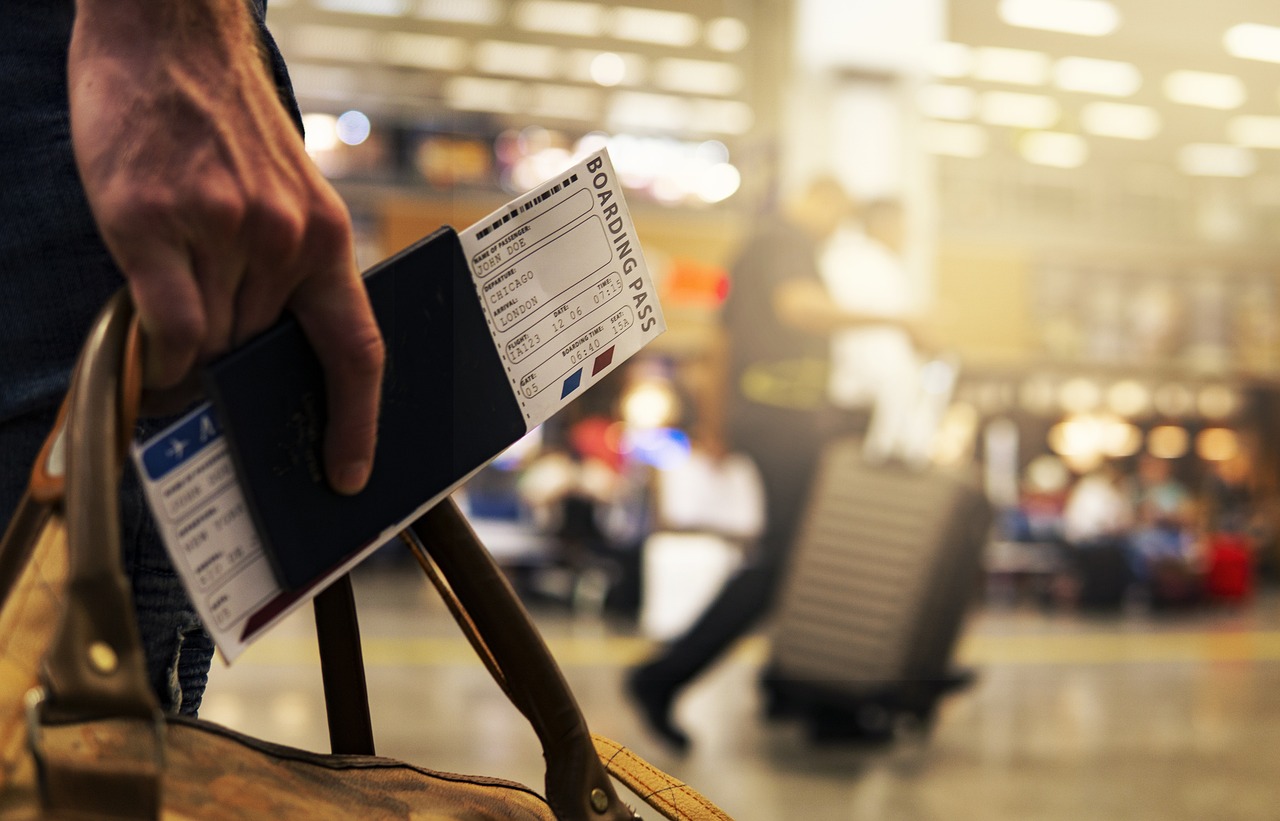
Islam, as a religion of mercy and practicality, offers specific concessions to travelers to ease their religious obligations during challenging journeys. These include shortened prayers, the option to combine certain prayers, and permission to delay fasting during Ramadan. This article provides an in-depth exploration of these rules, along with the recommended duas for a safe and blessed journey.
1. The Traveler in Islam: A Special Status
The Quran and the teachings of the Prophet Muhammad (peace be upon Him) explicitly recognize the challenges faced by travelers and grant them specific facilitation.
Quranic Reference:
Allah says in the Quran:
"And whoever is ill or on a journey - then an equal number of other days [are to be made up]." (Surah Al-Baqara, 2:185)
This verse highlights the allowance for travelers to postpone fasting in Ramadan if the journey causes hardship.
Prophetic Teachings:
The Prophet Muhammad (peace be upon Him) said:
"Allah loves that His concessions be accepted, just as He dislikes disobedience to Him." (Sahih al-Bukhari and Sahih Muslim)
These concessions are not just permissions but blessings meant to ease the lives of believers.
Réservez votre essai gratuit de 30 minutes
Formulaire d'inscription
2. Exemptions Granted to the Traveler
A. Shortening the Prayers (Qasr)
One of the key concessions for travelers is the shortening of obligatory prayers, known as Qasr.
- Prayers included: The Dhuhr, Asr, and Isha prayers, typically consisting of four rakats, are shortened to two.
- Conditions for shortening:
- The journey must exceed a significant distance (approximately 77 kilometers according to most scholars).
- The traveler’s status remains valid as long as they do not intend to stay in one place for more than four days.
B. Combining Prayers (Jama')
Travelers are also allowed to combine specific prayers:
- Dhuhr and Asr can be combined.
- Maghrib and Isha can be combined.
This concession is particularly helpful when travel schedules make it difficult to perform prayers on time.
C. Fasting
Travelers are permitted to break their fast during Ramadan if fasting imposes hardship. However, they must make up for the missed days later.
- Flexibility offered: Travelers may choose to fast or not, depending on their physical ability.
- Prophetic Example: The Prophet Muhammad (peace be upon Him) fasted during some journeys and broke his fast during others, demonstrating the flexibility of this rule. (Sahih Muslim)
3. Recommended Duas for Travelers
Invocations (duas) are an essential part of a believer's journey, offering divine protection, blessings, and peace of mind.
A. Dua Before Starting a Journey
Before setting out, it is recommended to recite:
"Subhana alladhi sakhkhara lana hatha wa ma kunna lahu muqrinin wa inna ila rabbina lamunqalibun." (Glory be to the One who has subjected this to us, and we could not have otherwise subdued it. And surely to our Lord, we will return.)
B. Dua for Protection During Travel
"Bismillah, tawakkaltu ‘ala Allah, wa la hawla wa la quwwata illa billah." (In the name of Allah, I place my trust in Allah, and there is no power or strength except with Allah.)
C. Dua for Hardship During Travel
"Allahumma inni a’udhu bika min wa’tha’i as-safar wa kaabatil-manzar wa su’il-munqalab fil-maali wal-ahli." (O Allah, I seek refuge with You from the hardships of travel, unpleasant sights, and an ill return concerning my wealth and family.)
4. Conditions to Benefit from Exemptions
A. Minimum Distance
To qualify as a traveler, the distance of the journey must exceed approximately 77 kilometers, based on the practices of the Prophet Muhammad (peace be upon Him) and his companions.
B. Purpose of Travel
The journey must be undertaken with a permissible intention. Traveling for sinful purposes disqualifies the traveler from benefiting from religious concessions. Islam encourages journeys for noble purposes such as seeking knowledge, visiting relatives, or performing acts of worship like Hajj or Umrah.
C. Duration of Stay
A traveler retains their status as long as their stay in one location does not exceed four days. Beyond this, they are considered a resident, and the exemptions no longer apply.
5. Practical Tips for Traveling in Accordance with Islam
- Plan your itinerary: Identify prayer times and suitable locations for prayer along your route.
- Use modern tools: Apps can help you determine the Qibla and prayer times.
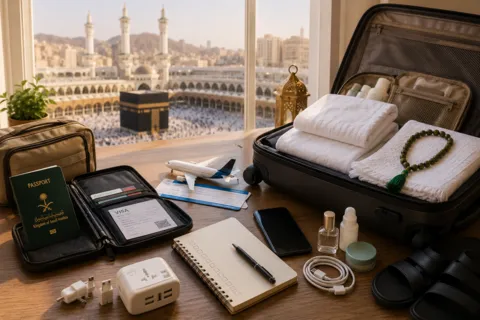
- Carry essentials: A prayer mat and a small bottle of water for ablution can be very helpful.
- Assess your fasting ability: Decide whether to fast or postpone it based on your physical capacity during travel.
6. Traveling: A Spiritual Opportunity
Traveling is not just a physical journey but also an opportunity for spiritual growth. It allows Muslims to observe the signs of Allah’s creation, reflect on His blessings, and renew their connection with Him.
The Prophet Muhammad (peace be upon Him) and Travel:
The Messenger of Allah traveled frequently for various purposes, including spreading Islam, performing Hajj, and personal matters. His practices and supplications related to travel serve as a timeless guide for Muslims.
Conclusion
The status of a traveler in Islam reflects Allah’s mercy and wisdom. By granting concessions for prayers and fasting, Islam accommodates the challenges of travel while maintaining spiritual connection. Every journey is an opportunity to strengthen faith and seek Allah’s blessings. Remember to recite the recommended duas, adhere to the rules, and make your travels acts of worship and gratitude to Allah.
To know more: Traveler's Invocation in Islam




Aucun commentaire
Aucun commentaire pour le moment.