
Introduction
Arabic calligraphy, which began as a mere tool for communication, has evolved over centuries into a profound art form. As the Islamic world grew, so did the application of this intricate script, extending its reach from paper to grand architectural masterpieces, decorative elements, and even coin designs. This artistic transformation not only showcases the aesthetic appeal of Arabic script but also underscores its cultural and spiritual significance in the Islamic world.
1. The Historical Roots of Arabic Calligraphy
Islamic calligraphy, a revered art form, traces its origins to the 7th century Middle East, coinciding with the rise of Islam as a new religious force. With the revelation of the Holy Quran in the widely spoken Arabic language, calligraphy became the chosen medium to convey the Divine Word. For Muslim scribes, no other form of art held the gravity or the beauty worthy of capturing Allah's messages. As a result, the Quran's pages are adorned with intricate and mesmerizing calligraphic designs.
The prominence of Arabic Calligraphy in the Islamic world not only underscores the cultural significance of the Arabic language but also showcases the pride and reverence Muslims hold for it. As they took it upon themselves to spread Allah's message, the written word's aesthetic aspect became paramount. Over the centuries, this dedication gave birth to diverse and sophisticated Islamic Calligraphy styles, some of which include:
A. Kufic Calligraphy
The genesis of Arabic calligraphy as an art form can be traced back to the 7th century in southern Iraq. This pioneering style didn't emerge in isolation; instead, it drew its aesthetic nuances from the Arabic scripts prevalent during the 3rd and 4th centuries. These earlier scripts served as foundational blueprints, guiding the evolution of what would become one of the most cherished artistic expressions in the Islamic world.
B. Naskh Calligraphy
The Naskh Calligraphy, crafted in the 10th century, was a beacon of legibility and elegance. Its clear and flowing design made it not only visually appealing but also easily readable, setting it apart from earlier scripts. Recognizing its clarity and the profound elegance it brought to written text, religious scholars and scribes soon adopted the Naskh style, deeming it the preferred choice to supersede the older Kufic script in transcribing the Holy Quran. This transition marked a significant evolution in the presentation and reverence of Islam's sacred scripture.
C. Thuluth Calligraphy
The term "Thuluth, " which translates to 'one third, ' provides a nod to the size of the pen employed to craft this intricate script. Originating in the 10th century, the Thuluth style stands out for its refined elegance and aesthetic appeal in the realm of Arabic calligraphy. Characterized by pronounced left-leaning vertical strokes and gracefully curving horizontal lines, the design intricacies of Thuluth are especially notable for the way these lines often intertwine within individual letters. This unique intertwining lends the script its distinctive fluidity and artistic depth, making it a favorite among calligraphers and art connoisseurs alike.
D. Maghribi Calligraphy
Maghribi Calligraphy finds its roots in the "Maghrib" — a term referring to the westernmost regions of North Africa within the Islamic Empire. Pioneered by calligraphers of this region, the Maghribi script is distinct in its aesthetics. Its hallmark features are the gracefully descending lines accompanied by generously sized bowls within the characters. Notably, the letters, while diverse in form, maintain a consistent thickness throughout, providing the script with a harmonious and balanced appearance that's reflective of the artistry from this part of the world.
2. The Sacred Role of Arabic Calligraphy in Islam
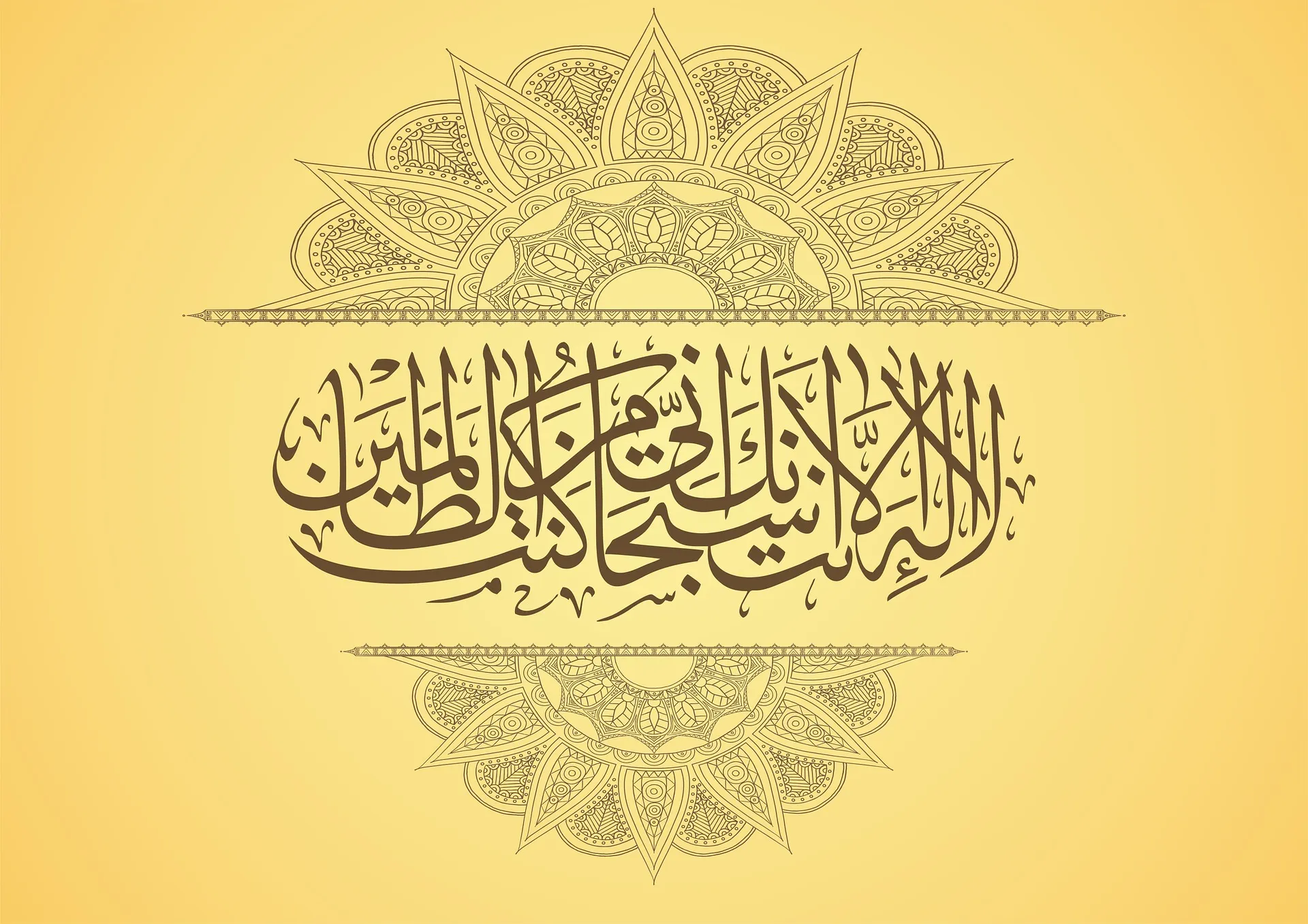
"In the beginning, Allah created the pen and instructed it to inscribe all events until the Day of Judgment, " so spoke Prophet Muhammad (PBUH), as documented by At-Tirmidhi, Abu-Dawud, and Ahmad.
The quest for knowledge sits at the heart of Islamic tenets. Accordingly, Arabic calligraphy is deeply esteemed, serving not only as a means of communication but also as an artful conduit to disseminate Allah's wisdom. Through this art, the divine revelations are conveyed, offering humanity profound insights into their Creator's will and purpose.
Arabic calligraphy distinguishes itself in the realm of artistic expression. Eschewing depictions of animate beings, it instead celebrates the sublime elegance of written words. These scriptural renditions, far beyond mere text, offer a rich, visual experience — each meticulously crafted stroke tells a tale, much like a painting evokes myriad emotions and narratives. Calligraphy, in essence, underscores the beauty and historical significance of every inscribed word, allowing one to visually traverse the depth and breadth of its meaning.
Moreover, Arabic calligraphy plays a pivotal role in safeguarding Islamic teachings and doctrines. Acting as a beacon, it illuminates Islamic principles, promoting understanding and reverence. Its inherent uniqueness offers a fresh perspective, making the timeless teachings of Islam both accessible and aesthetically enchanting.
3. Contemporary Applications of Arabic Calligraphy
Today, Arabic calligraphers are held in high esteem worldwide, revered not just for their artistic prowess but also for the profound wisdom and dedication they bring to their craft. Their meticulous attention to detail, patience, and persistence showcase their passion for creating captivating masterpieces. As a testament to their growing significance, numerous international calligraphy exhibitions are organized annually, forging a global community of artists bound by their shared love for this ancient art form.
In contemporary settings, the allure of Arabic calligraphy isn't confined to exhibitions. Many individuals, drawn to the spiritual essence of this art, choose to adorn their homes and offices with calligraphic artworks. More than mere decoration, these pieces are believed to imbue spaces with a positive aura and cultivate a serene atmosphere, resonating with the profound messages they depict.
Conclusion
Arabic calligraphy, a timeless art form, has seamlessly bridged the historical expanse from its foundational role in preserving Islamic teachings to its modern-day aesthetic allure. Rooted in profound spiritual significance, it not only conveys messages but does so with unparalleled elegance and beauty. Today's renewed global interest, with exhibitions and its ubiquitous presence in modern decor, attests to its enduring appeal. As calligraphers continue to breathe life into words with their pens, Arabic calligraphy stands as a testament to the harmonious confluence of faith, history, and art. In a world that's constantly evolving, the art of Arabic calligraphy remains an unwavering beacon of tradition, culture, and spirituality.
Réservez votre essai gratuit de 30 minutes
Formulaire d'inscription



Aucun commentaire
Aucun commentaire pour le moment.