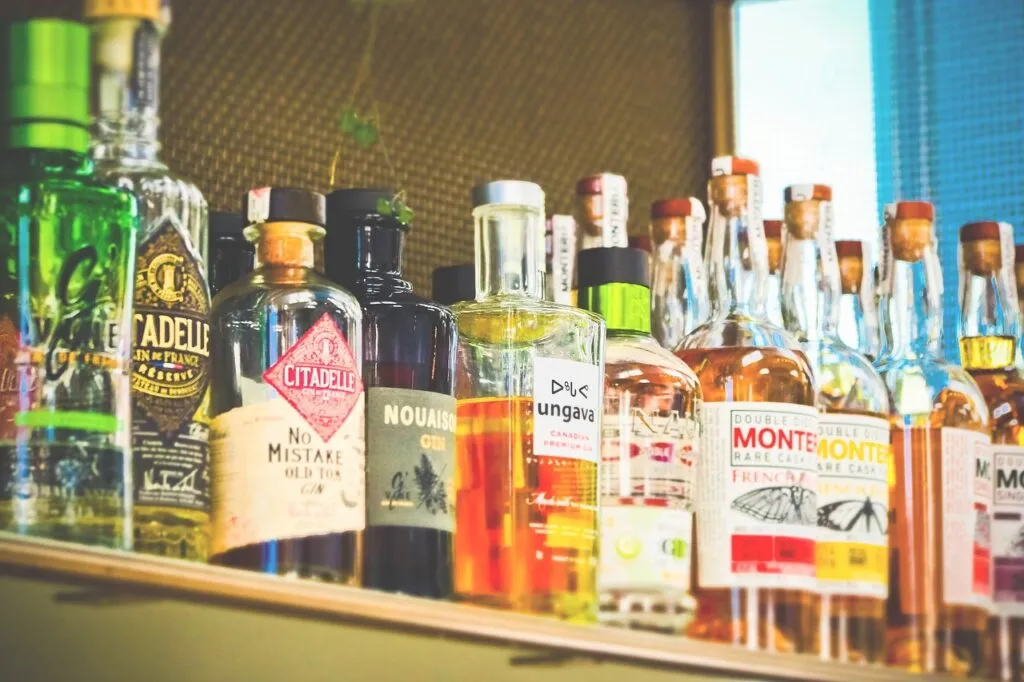
In Islam, the consumption of alcohol is strictly prohibited. This principle is based on
Qur'anic verses,
authentic hadiths, and the interpretations of scholars and the four main schools of Islamic jurisprudence. The prohibition is aimed at protecting believers from the spiritual, physical, and social harms associated with alcohol. In this article, we will explore this prohibition in light of religious texts and the opinions of scholars, particularly those of the four Sunni schools of jurisprudence and Salafi scholars.
Essai offert
Réservez votre essai gratuit de 30 minutes
The Prohibition of Alcohol in the Qur'an
The prohibition of alcohol in Islam was revealed progressively, allowing early Muslims to gradually detach from this widely practiced habit in pre-Islamic times.
- First Warning:The first verse that mentions the harmful effects of alcohol highlights that although there may be some material benefits, the harm outweighs them:
"They ask you about wine and gambling. Say, 'In them is great sin and [yet, some] benefit for people. But their sin is greater than their benefit'." (Qur'an, 2:219)
- Prohibition of Approaching Prayer While Intoxicated:Next, Allah forbade believers from approaching prayer while intoxicated, emphasizing that alcohol impairs the clarity needed for Salah:
"O you who have believed, do not approach prayer while you are intoxicated until you know what you are saying." (Qur'an, 4:43)
- Final Prohibition:The final verse issued a complete prohibition of alcohol, classifying it as an abomination and a work of Satan:
"O you who have believed, indeed, intoxicants, gambling, [sacrificing on] stone alters [to other than Allah], and divining arrows are but defilement from the work of Satan, so avoid it that you may be successful." (Qur'an, 5:90)
The Prohibition of Alcohol in the Teachings of the Prophet Muhammad (peace be upon Him)
The Prophet Muhammad (peace be upon Him) reinforced this prohibition through several hadiths. One of the most significant hadiths, narrated by Anas ibn Malik, states:
"Whatever intoxicates in large quantities, a small amount of it is also haram." (Hadith reported by Abu Dawood and At-Tirmidhi)
This hadith illustrates that even a small amount of alcohol is prohibited, as it can lead to intoxication and the sins that stem from it. Additionally, the Prophet (peace be upon Him) described alcohol as "the mother of all evils" because it impairs judgment, leading to sinful behavior.
The Opinions of the Four Schools of Thought
The four major Sunni schools of Islamic jurisprudence (Hanafi, Maliki, Shafi'i, and Hanbali) unanimously agree on the prohibition of alcohol, though there are some nuanced differences in their practical approaches.
- Hanafi School:
The Hanafi school, founded by Imam Abu Hanifa, holds that anything that causes intoxication is haram. This school emphasizes the importance of intention and considers the consumption of alcohol in any form to be prohibited.
- Maliki School:
According to Imam Malik, alcohol is haram under all circumstances, whether consumed in small or large quantities. The Maliki school interprets the Qur'anic verses and hadiths strictly, aiming to preserve the spiritual purity of believers.
- Shafi'i School:
Imam Al-Shafi'i also holds that anything intoxicating is haram, even if intoxication is not reached. He emphasizes that the prohibition extends to fermented drinks as well.
- Hanbali School:
Imam Ahmad ibn Hanbal, the founder of the Hanbali school, adopts a particularly stringent position. He deems any substance that alters the mind as forbidden and insists on following the teachings of the Prophet Muhammad (peace be upon Him) to the letter.
All four schools agree on the complete prohibition of alcohol in all its forms, whether as a drink or any other intoxicating substance.
The Harmful Effects of Alcohol
The prohibition of alcohol in Islam is not solely spiritual; it also aims to protect the physical and moral health of believers. Numerous contemporary studies confirm the teachings of scholars, showing that alcohol consumption is linked to:
- Liver diseases: Alcohol is a leading cause of cirrhosis.
- Mental disorders: It is associated with conditions such as depression and anxiety.
- Violence and crime: Many criminal acts and accidents are caused by alcohol consumption.
How to Avoid Alcohol
- Recognize the Divine Prohibition: Remember that alcohol is an abomination according to the Qur'an and hadiths.
- Avoid Tempting Environments: Do not frequent places where alcohol is consumed.
- Check Products: Some foods and medicines may contain alcohol, so it is important to carefully read labels.
Conclusion
The prohibition of alcohol in Islam is clearly established in the Qur'an and hadiths. The four schools of jurisprudence and Salafi scholars unanimously agree on its complete prohibition, emphasizing the spiritual, physical, and social dangers it poses. Following this prohibition helps to preserve the health, reasoning, and faith of Muslims. To Know More:
Halal and Haram Beverages in Islam: What You Need to Know





Aucun commentaire
Aucun commentaire pour le moment.