
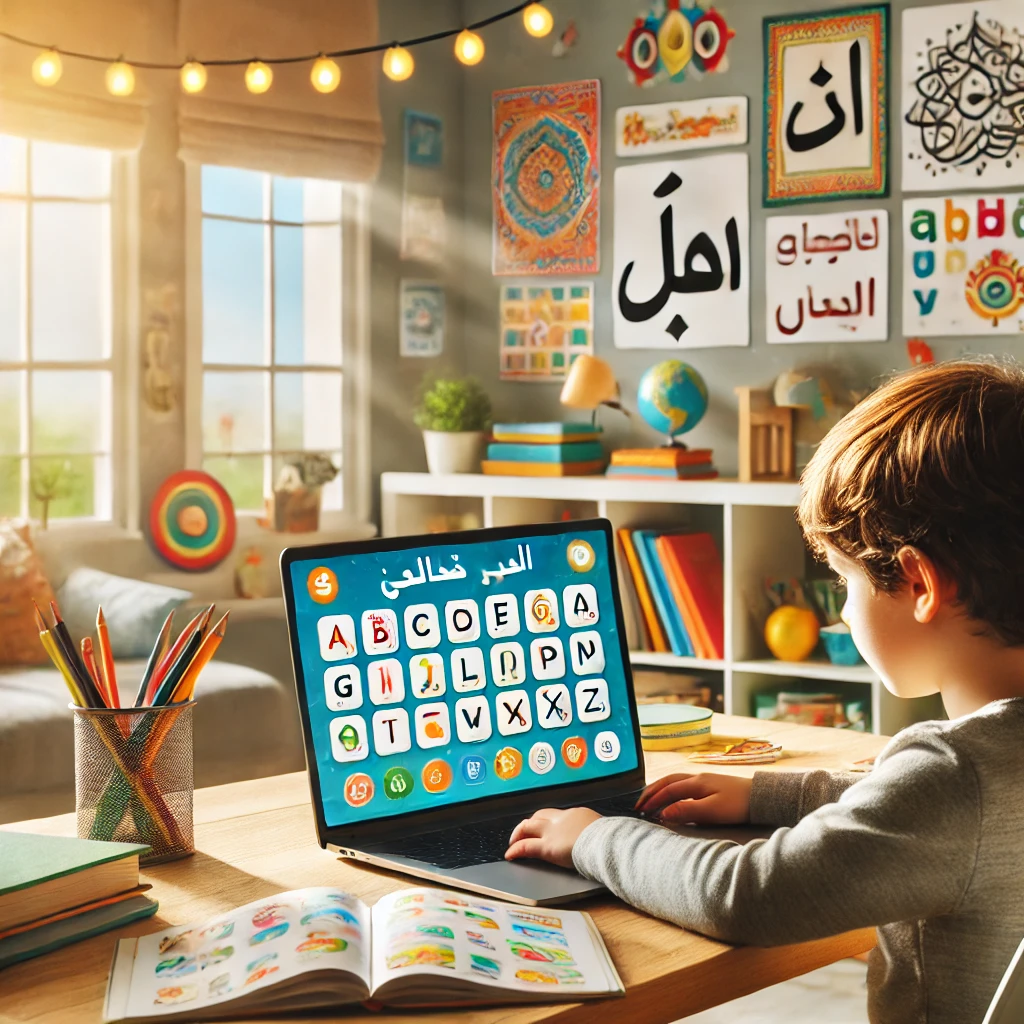
Learning Arabic is an exciting journey, and introducing children to this language from a young age is an excellent way to connect them to Islamic culture and traditions. Online courses, which have become increasingly popular, offer families flexibility and accessibility. This article will explore how to start an online Arabic course for kids successfully, covering the best practices to encourage their motivation and engagement.
1. Choose a Kid-Friendly Platform
The first essential step is choosing an online platform that understands the specific needs of young learners. Some platforms, like those offered by the Al-Dirassa Institute, are designed specifically for children, with age-appropriate content and interactive tools to make learning more engaging.
Features to look for:
- User-friendly interface: Kids should be able to navigate the platform easily, with clear and intuitive visual elements.
- Interactive tools: Videos, educational games, and quizzes help children stay engaged.
- Age-appropriate content: Lessons should be progressive and suitable for kids' comprehension levels.
Opting for a platform that emphasizes interactivity and playful learning will help children immerse themselves more effectively in their Arabic lessons.
Book your free trial of 30 minutes
Registration form
2. Set Clear Learning Goals
For online learning to be effective, it’s important to define clear goals with your child. Learning the alphabet, mastering some vocabulary, or beginning to read short phrases are achievable goals that can be reached progressively. Adjust these goals according to your child’s age and level to ensure they remain motivating without becoming overwhelming.
Examples of goals:
- Introduction for young children (ages 3-6): Discovering the Arabic alphabet, letter recognition games.
- Development for older children (ages 7-12): Acquiring basic vocabulary, reading simple words, and understanding short phrases.
- Advanced (12 and up): Reading more complex sentences, starting to write, and understanding short stories.
These goals should be flexible to adapt to your child’s pace, allowing adjustments as they progress.
3. Create a Comfortable Learning Space
To follow an online course, it’s essential for the child to feel well-settled in a dedicated learning space. A quiet, well-lit environment free from distractions helps the child stay focused on their lessons.
Tips for a good learning space:
- Avoid distractions: Turn off unnecessary electronics and minimize background noise.
- Prioritize comfort: Make sure the child is seated comfortably, with a table at the right height for writing activities.
- Personalize the space: Add decorative elements like Arabic alphabet posters or illustrations for motivation.
A well-designed space makes sessions more enjoyable and helps the child develop a learning mindset.
4. Incorporate Fun Activities and Keep Kids Engaged
Kids learn best when they’re having fun. By incorporating fun activities into their learning, you can maintain their motivation and stimulate their curiosity about the Arabic language. Online games, interactive stories, and Arabic songs are tools that promote active and engaging learning.
Examples of fun activities:
- Letter and vocabulary games: Letter or word recognition quizzes and visual guessing games.
- Arabic songs and nursery rhymes: Singing in Arabic helps kids become familiar with sounds and pronunciation.
- Illustrated stories: Digital Arabic books with captivating images reinforce understanding.
These methods are essential for holding children’s attention and making each learning session more dynamic.
5. Encourage Daily Practice and Review
One of the secrets to language learning, especially for children, is repetition. Regular practice, even just a few minutes each day, is more effective than longer but infrequent learning sessions. Regular review of concepts like letters and words helps solidify knowledge.
Strategies for daily practice:
- Set a daily time for study, such as before dinner or after school.
- Use varied learning aids like flashcards or alphabet posters to review past lessons.
- Engage in family reviews, letting the child show what they’ve learned.
A consistent schedule allows children to build confidence and make faster progress.
6. Parental Involvement and Open Communication
Parental support is crucial for online learning, especially for young children. Parents can help by participating in some activities, encouraging their child, and showing interest in their progress. Parental involvement reinforces the child’s sense of accomplishment and their desire to keep learning.
How parents can help:
- Participate in short sessions with the child to show support.
- Ask about what they’ve learned to stimulate their oral expression.
- Reward their efforts with encouragement or small incentives.
When children feel their parents are invested in their learning, they are more motivated and engaged in their progress.
7. Leverage Digital Tools and Technology
Today’s technology provides tools that make online learning more effective and engaging. Using educational apps, interactive videos, and online games enriches learning and allows children to practice in a playful way.
Effective digital tools:
- Vocabulary and grammar apps: Interactive apps designed for kids are an excellent addition to online courses.
- Audio and visual content: Videos, songs, and podcasts for kids foster concept assimilation.
- Online quizzes and tests to track progress and identify areas for improvement.
These tools enable children to develop Arabic language skills independently while having fun.
8. Regularly Assess Progress and Adjust Goals
Finally, it’s essential to monitor the child’s progress and adjust goals based on their advancement. Short evaluations can be integrated to see how well the child is grasping new concepts. Assessment results help tailor lessons and ensure the child is prepared before moving on to more complex concepts.
Assessment strategies:
- Short vocabulary and reading tests to check progress.
- Regular feedback sessions with the teacher to adapt sessions to the child’s specific needs.
- Knowledge assessments through interactive games or informal discussions.
These evaluations ensure the child stays motivated and sees the impact of their efforts, which is essential for maintaining long-term engagement.
Conclusion
Online Arabic courses for kids offer numerous advantages when well-organized and supervised. By creating a comfortable learning environment, setting clear goals, and involving parents, children are encouraged to engage in Arabic learning with enthusiasm and determination. Digital tools and playful methods further support this learning, making each session more enriching and interactive.
By following these tips, you’ll help your child begin their Arabic learning journey in the best possible way, fostering effective and lasting progress. To learn more, visit our website and discover our online Arabic courses specially designed for children.
TO know more: discover our kids program to learn Arabic




No Comments
No comments yet.