Online Tajwid course: learn to recite the Quran correctly
Improve your Quran recitation through a structured Tajwid program, from the fundamental rules to more advanced study of recitation and traditional works.
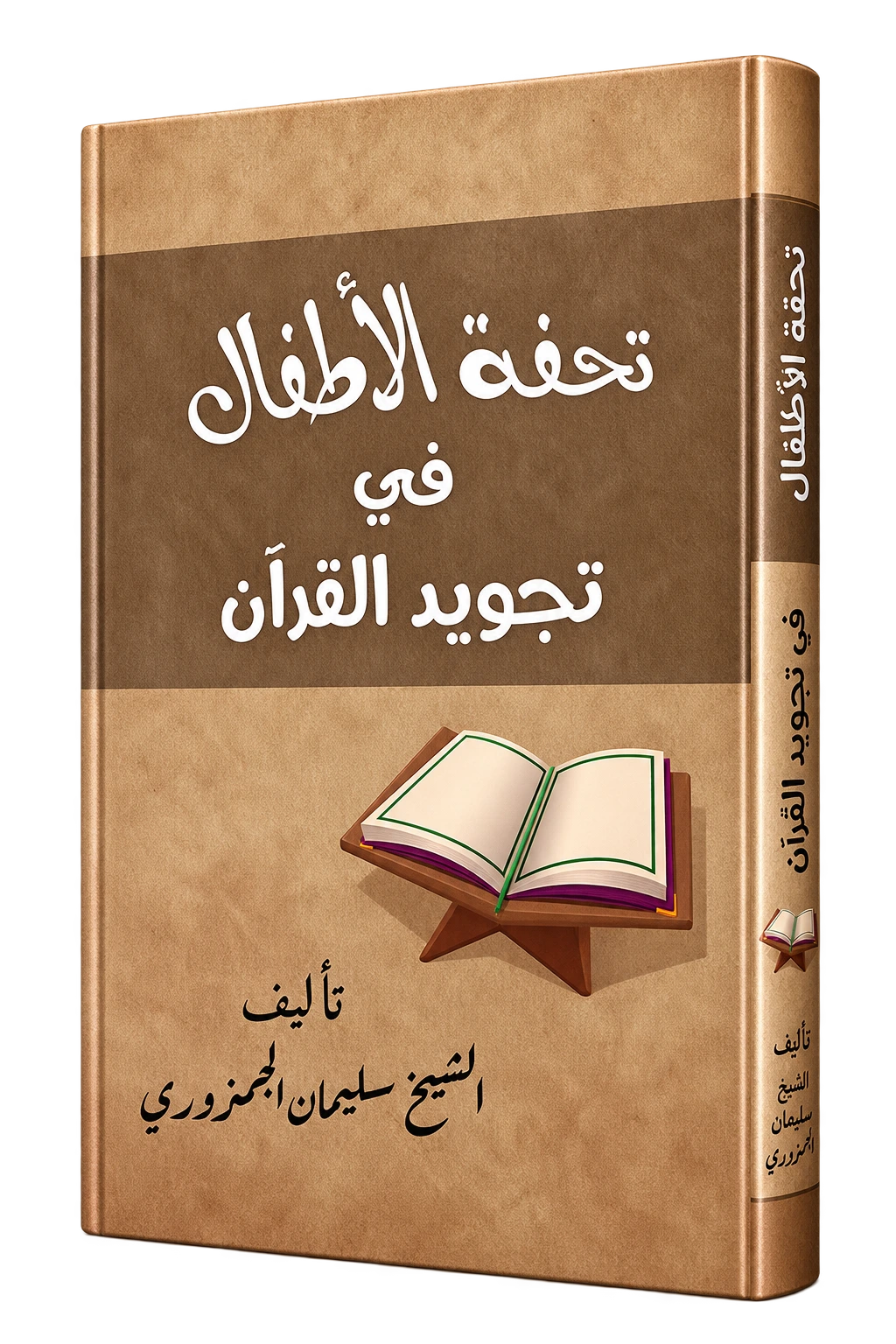
Level 1 — Foundations of Tajwid Touhfat Al-Atfal
This first stage teaches the fundamental rules of Tajwid and how to begin applying them directly in Quran recitation.
- Understand the role of Tajwid in recitation
- Learn the essential vocabulary
- Study noon sakina and tanwin
- Study idhhar
- Study idgham
- Study iqlab
- Study ikhfa
- Study mim sakina
- Understand the first madd rules
- Study the rules of lam ta‘rif
- Apply the rules in recitation
Level 2 — Advanced Tajwid Al-Mounir fi ‘Ilm At-Tajwid
This second stage consolidates previously studied rules and deepens pronunciation, makharij, sifat, madd, and the rules of stopping and resuming.
- Review the main Tajwid rules
- Identify recurring mistakes
- Correct the makharij al-huruf
- Distinguish similar letters
- Study sifat al-huruf
- Understand their effect on pronunciation
- Study the different types of madd
- Understand their causes and durations
- Study waqf
- Study ibtida
- Correct obvious and subtle mistakes
- Apply the rules across several surahs
Advanced Tajwid — Traditional study Advanced mastery
Students who have achieved sufficient mastery can continue with an advanced program defined with their teacher.
- Deepen specific Tajwid topics
- Study advanced terminology
- Read an appropriate traditional work
- Deepen the rules of recitation
- Correct subtle recitation errors
- Develop greater precision and consistency
- Prepare for qira’at or ijaza according to level and objective
One Tajwid program adapted to your recitation
You no longer choose separately between Touhfat Al-Atfal, Al-Mounir fi ‘Ilm At-Tajwid or an advanced program.
Registration now covers one single Tajwid program. Your teacher listens to your recitation, checks your knowledge and identifies the errors that need correction.
You start directly at the level that matches your skills and continue the same program when you are ready to move to the next stage.
- One product for the entire Tajwid program.
- Your level is determined with your teacher.
- Progression according to your actual recitation.
- No new order is required when moving to the next level.
- Remaining credit is retained.
- One-to-one lessons with a dedicated teacher.
Tajwid: learn the rules and apply them
Tajwid is not only about knowing theoretical rules. The goal is to apply them correctly and consistently during Quran recitation.
The teacher therefore listens to your recitation, identifies errors and works directly with you on the points that need correction.
What you will work on
- Noon sakina and tanwin.
- Idhhar, idgham, iqlab and ikhfa.
- Mim sakina.
- Idhhar shafawi, ikhfa shafawi and idgham shafawi.
- The different madd rules.
- Makharij al-huruf.
- Sifat al-huruf.
- Waqf and ibtida.
- Correction of pronunciation errors.
- Practical application on Quran passages.
Who are the courses for?
- People who can read the Quran and want to improve their recitation.
- Beginners in Tajwid who want to learn the main rules.
- Students who have already studied the basics of Tajwid.
- People memorising the Quran who want to correct their recitation.
- Students who want to deepen their study of makharij and sifat.
- Students preparing for more advanced study of qira’at or ijaza.
Frequently asked questions
Do I need to choose my level when registering?
Can I start directly with Al-Mounir?
Can I enter the advanced level directly?
Do I need to memorise Touhfat Al-Atfal?
Do the lessons help correct my pronunciation?
What happens when I complete a stage?
Are the lessons one-to-one?
One-to-one lessons focused on your recitation
The teacher listens directly to your recitation, identifies weaknesses and adapts the exercises to the errors actually observed.
- One-to-one lessons.
- Dedicated teacher.
- Direct correction of recitation.
- Work on makharij and sifat.
- Practical application of the rules.
- Progression adapted to the actual level.
- Move to the next stage after the skills are validated.
Your plan
Your registration includes a credit of 24 hours of lessons at a pace of 2 hours per week .
Payment is spread over 3 monthly payments .
Continuous progression
The former product pages corresponded to different levels and durations. Commercial registration is now a single one.
Your teacher adapts the program to your recitation and guides you from Touhfat Al-Atfal to Al-Mounir, and then possibly to an advanced program.
Remaining credit and continuation of the program
- Remaining hours are retained when you change level.
- No new order is required.
- The teacher adapts the rest of the program to your actual progression.
- If the available credit is used before you reach your objectives, additional hours can be added according to the available plans.
The three stages of the Tajwid program
These stages no longer correspond to several products. They are used only to structure your progression according to your recitation.
Level 1 — Touhfat Al-Atfal Foundations
Learn the main Tajwid rules and how to apply them in recitation.
- Noon sakina et tanwin
- Idhhar
- Idgham
- Iqlab et ikhfa
- Mim sakina
- First madd rules
- Lam ta‘rif
Level 2 — Al-Mounir fi ‘Ilm At-Tajwid Deepening
Consolidate the rules and improve the precision of recitation.
- Makharij al-huruf
- Sifat al-huruf
- Detailed madd
- Waqf
- Ibtida
- Correction of obvious and subtle errors
Advanced Tajwid Advanced mastery
Deepen your recitation and study a program or traditional work chosen with the teacher.
- Advanced Tajwid topics
- Advanced terminology
- Reading a traditional work
- In-depth correction of recitation
- Preparation for qira’at or ijaza according to level
Assessment and validation
The teacher assesses your understanding of the rules, but above all your ability to apply them correctly and consistently during recitation.
- Continuous assessment.
- Comprehension questions.
- Application to verses.
- Assessment of makharij.
- Assessment of sifat.
- Application of madd rules.
- Work on waqf and ibtida.
- Correction of recitation.
- Validation before changing stage.
Start Tajwid at the level suited to your recitation
You do not need to choose between Touhfat Al-Atfal, Al-Mounir and the advanced level. Your teacher will listen to your recitation and directly determine your starting point.
Register for the course