
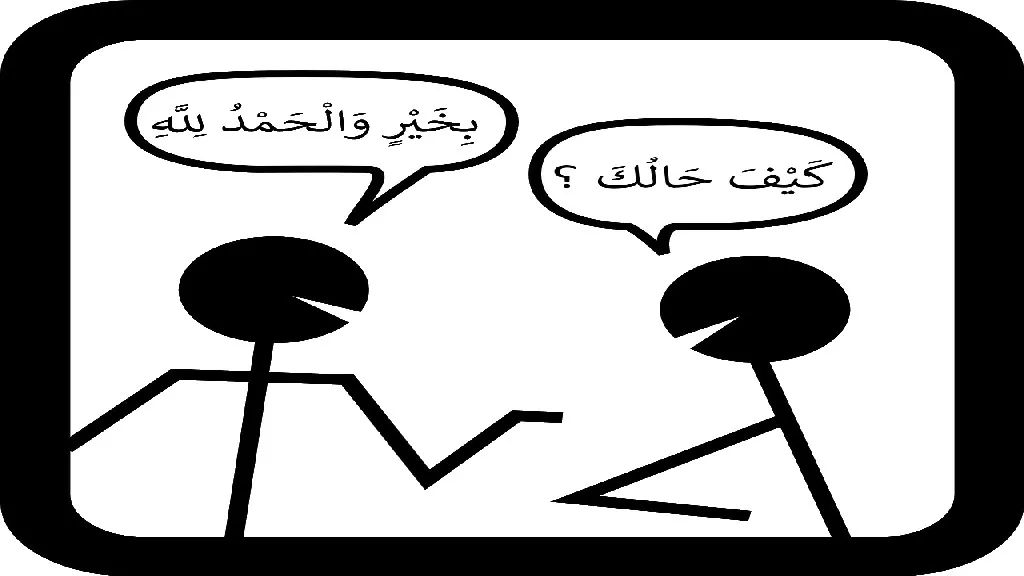
The Undying Popularity of the Arabic Language: A Historical & Modern Perspective
The Ancestral Roots
Arabic, a language deeply rooted in history, has been spoken across the world for thousands of years. This language, enriched with poetry, prose, and religious significance, has seen both its highs and lows over the centuries.
Origin and Initial Spread
In the 6th century, Arabic was primarily spoken by tribes in the Arabian Peninsula. It was a time of numerous dialects and regional variations. The vast deserts of Arabia acted as the cradle for this rich language.
Arab Conquests and the Islamic Empire
The era between 632-750 marked the rapid Arab conquests, culminating in the vast expansion of the Islamic empire from the 7th to the 13th centuries. Arabic soon became the official language, cementing its presence across vast territories stretching from Spain in the west to India in the east. Cities like Baghdad, Damascus, and Cordoba became centers of learning, where Arabic was the primary medium of education and discourse.
The Divine Connection: Arabic and the Quran
The divine revelation of the Quran to Prophet Muhammad is pivotal in the Arabic language's journey. Being the holy scripture of Islam, the Quran was revealed in Arabic. As Islam spread, so did the language, forging a deep connection between faith and tongue.
Arab Renaissance: A Period of Renewal
By the 19th century, with colonialism affecting many parts of the Arab world, there arose a pressing need for cultural and linguistic revival. The "Arab Renaissance" or "nahda" was a movement that aimed at modernizing Arabic, making it more aligned with contemporary practices, especially in journalism, literature, and science.
Modern Adaptations and Challenges
With the dawn of the 20th century, the Arab world faced the challenge of preserving the essence of its language while adapting to modernity. The usage of a "modernized" classical Arabic was promoted through language policies. These adaptations ensured that Arabic remained vibrant and relevant in academia, journalism, literature, and more.
The Media Revolution and Arabic
The creation of Al-Jazeera in 1996 marked a turning point in the Arabic media landscape. This Qatar-based news channel revolutionized Arabic broadcasting, offering a unique perspective and voice in international journalism. Arabic programs, news, soap operas, and more found audiences not just in the Arab world but also in non-Arabic speaking regions, thanks to satellite television.
Arabic in the Digital Age
The digital age further boosted the Arabic language's prominence. Though Arabic was the seventh most used language on the internet in 2012, its usage has surged rapidly. By the end of 2015, it climbed to fourth place, following English, Chinese, and Spanish. Social media platforms, especially Twitter, saw a massive influx of Arabic content, reflecting the language's dynamic evolution in the digital era.
Language of Diplomacy and Global Forums
Arabic's global significance is further underscored by its status as an official language in twenty-six states and several international institutions like the African Union, Arab League, and the Organization of the Islamic Conference. Notably, since 1973, Arabic has been one of the six official languages of the United Nations, reflecting its importance in global dialogues.
The Contemporary Relevance of Arabic
Today, the Arabic language stands as a testament to its enduring legacy and adaptability. With over 290 million native speakers as of 2010, its resonance in literature, arts, music, and global diplomacy is undeniable. Numerous institutions across the world offer courses in Arabic, acknowledging its rich history and contemporary importance.
Conclusion
From its origins in the deserts of Arabia to its monumental status in today's digital age, the journey of the Arabic language is a tale of resilience, evolution, and undying relevance. Its deep-rooted history, combined with its adaptability, ensures that it remains not just a language of the past, but also of the present and the future.
The Al-Dirassa Institute provides a range of online courses in Arabic, Quran, and Islam tailored for non-Arabic speakers. To enroll in our courses or learn more, please don’t hesitate to get in touch with us today.





No Comments
No comments yet.