
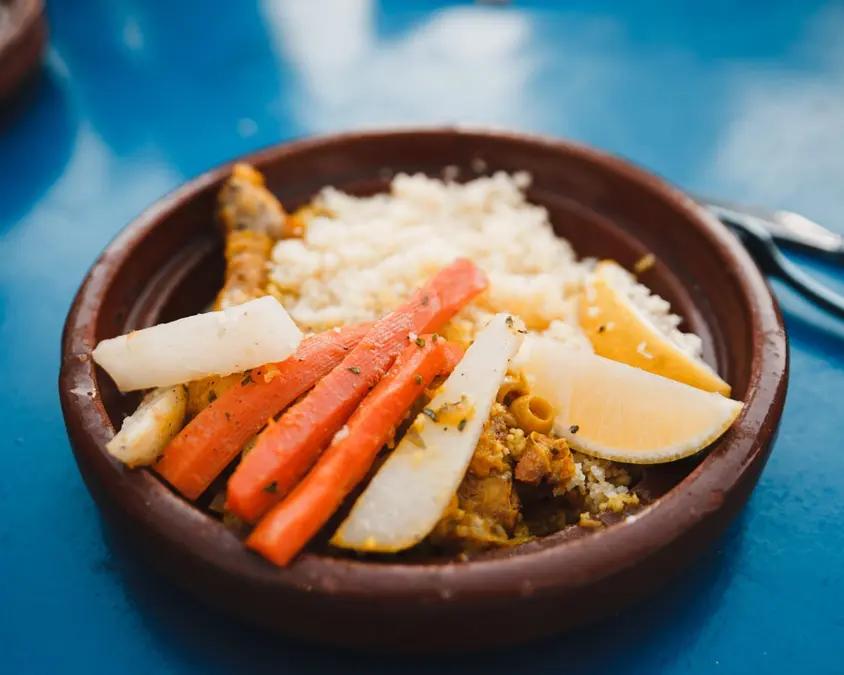
Arab hospitality is one of the most well-known and appreciated aspects of the culture of Arabic-speaking countries. Welcoming a guest, offering food, greeting people warmly and showing respect are gestures deeply rooted in social, family and sometimes religious traditions.
For someone learning Arabic or planning to travel to an Arabic-speaking country, understanding these cultural codes is very useful. It is not only about knowing a few words. It is also about knowing how to use them with politeness, gratitude and respect.
In this article, you will discover essential Arabic words related to hospitality, common expressions of welcome, gestures to know and attitudes that help you better understand Arab culture.
Why hospitality is so important in Arab culture
In many Arabic-speaking countries, hospitality is considered a central value. Welcoming a guest with generosity is a way to show respect, honor, affection and consideration.
This tradition is connected to history, family life, social customs and, in many contexts, religious values. A guest is not simply someone passing through. He or she is often treated with special attention.
This importance of hospitality explains why meals are often generous, why greetings can be long and warm, and why polite expressions play such an important role in daily conversations.
Essential Arabic words to welcome and thank people
The Arabic language has many expressions of welcome, gratitude and respect. A few well-used words can make an exchange warmer and show that you respect the culture of the person you are speaking with.
Marhaba: hello and welcome
مرحبا — Marhaba generally means “hello” or “welcome”. It is a simple, useful expression that is widely understood in many Arabic-speaking countries.
You can use it to greet someone in a friendly, family or everyday context. It is often one of the first Arabic words learned by beginners.
Ahlan wa sahlan: a warm expression of welcome
أهلا وسهلا — Ahlan wa sahlan means “welcome”. It is a warmer expression that you may hear when someone receives a guest.
This phrase carries the idea that the person is received with ease, openness and kindness. It is very important in the vocabulary of Arab hospitality.
Shukran: a simple way to say thank you
شكرا — Shukran means “thank you”. It is an essential word to show gratitude when someone welcomes you, serves you a meal, offers you coffee or helps you.
You can also say shukran jazilan, which means “thank you very much”. In a more religious or traditional context, you may hear expressions such as barak Allahu fik, which means “may Allah bless you”.
Hospitality around the table
In many Arabic-speaking families, the table has an important place. Receiving a guest with a generous meal is a way to show that the guest is honored.
Food is often served in abundance. This does not only mean “eat a lot”. It is also a way of saying: “You are welcome, and we are happy to receive you.”
Accepting, refusing politely and showing gratitude
If you are offered food or drink, it is often appreciated to accept at least a small amount, depending on the context. If you cannot accept, it is better to refuse gently and with gratitude.
Here are some useful expressions:
- شكرا — Shukran: thank you.
- لا شكرا — La shukran: no, thank you.
- جزاك الله خيرا — Jazak Allahu khayran: may Allah reward you with good.
- بارك الله فيك — Barak Allahu fik: may Allah bless you.
These expressions show appreciation and can be used in different contexts depending on the level of familiarity and the situation.
Coffee, tea and shared meals
In several Arabic-speaking countries, offering coffee or tea is a very common gesture of hospitality. Arabic coffee, mint tea or other traditional drinks often accompany discussions, family visits and friendly meetings.
A shared meal is also a social moment. It allows people to talk, create a bond and show respect to the guest. For this reason, some invitations may last longer than expected, especially in a family setting.
Gestures and attitudes to know
Hospitality is not only expressed through words. It also appears in attitude, the way people greet each other, respect for family space and the way a guest accepts or gives thanks.
Here are some simple tips:
- greet people respectfully when you arrive;
- thank the host for the welcome;
- avoid criticizing the food or local customs;
- observe the habits of the family or country;
- ask politely if you are unsure;
- show gratitude before leaving.
Practices can vary depending on the country, family and context. The most important thing is to remain respectful and attentive.
Hospitality, religion and social values
In many Arabic-speaking societies, hospitality is linked to strong social values: generosity, respect, protection of the guest, family honor and solidarity.
In a Muslim context, welcoming a guest is also connected to religious values. Being generous, feeding the guest and treating people well are considered noble qualities.
This explains why some families insist on offering a meal, coffee or a gift. This gesture is not only material. It expresses respect and the joy of receiving someone.
Differences between Arabic-speaking countries
It is important to remember that Arabic-speaking countries are numerous and diverse. Hospitality traditions can vary between North Africa, Egypt, the Levant, the Arabian Peninsula and other regions.
The words used may also change depending on the dialect. Some expressions are widely understood, such as marhaba, ahlan wa sahlan and shukran, while others may be more local.
For a beginner, it is better to start with expressions that are broadly understood. Later, you can learn the expressions used in the country or region that interests you.
Useful expressions related to Arab hospitality
| English | Arabic | Pronunciation |
| Welcome | أهلا وسهلا | Ahlan wa sahlan |
| Hello / welcome | مرحبا | Marhaba |
| Thank you | شكرا | Shukran |
| Thank you very much | شكرا جزيلا | Shukran jazilan |
| No, thank you | لا شكرا | La shukran |
| May Allah bless you | بارك الله فيك | Barak Allahu fik |
| May Allah reward you with good | جزاك الله خيرا | Jazak Allahu khayran |
Learn the language to better understand the culture
Understanding Arab hospitality becomes easier when you learn the language. Words are not only translations. They often carry cultural, religious or emotional meaning.
For example, saying ahlan wa sahlan does not only mean “welcome”. It is also a way to make the guest feel accepted and received with warmth.
If you are a beginner, you can start with Arabic greetings, polite phrases and everyday expressions. Learning the Arabic alphabet will then help you read these expressions directly in Arabic.
With online Arabic classes, you can learn not only the words, but also their context. An Arabic teacher can explain when to use an expression, how to pronounce it and which variations exist from one country to another.
Book your free trial of 30 minutes
Registration form
Conclusion: Arab hospitality, a language of respect and generosity
Arab hospitality is a rich tradition based on generosity, respect and human warmth. It appears in meals, greetings, polite expressions, welcoming gestures and the attention given to the guest.
This article has introduced you to the essential words and customs you need to understand this part of Arab culture. By learning expressions such as marhaba, ahlan wa sahlan and shukran, you take a first step toward more respectful and natural communication.
To go further, learning Arabic will help you better understand cultural nuances, everyday expressions and the richness of social exchanges in Arabic-speaking countries.



No Comments
No comments yet.