
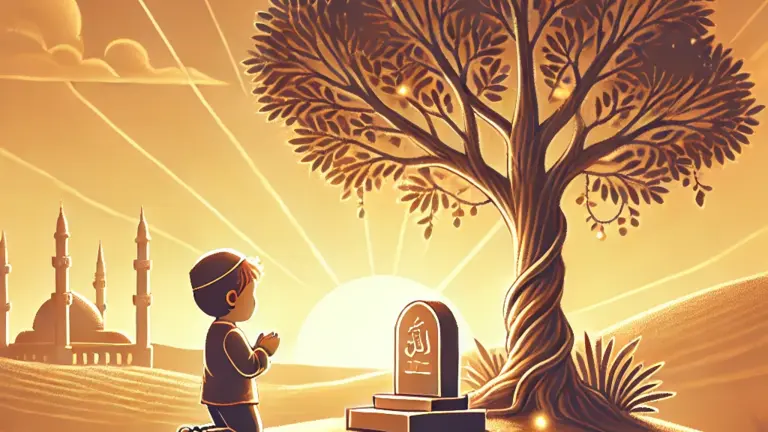
In Islam, honoring one’s parents does not end with their death. Kindness to parents, known as birr al-walidayn, is one of the great values of the religion. It continues through supplication, good deeds, fulfilling their lawful commitments and maintaining the ties they cared about.
Losing a father or mother is a deep trial. A believer may feel sadness, regret or the need to do something beneficial for them. Islam gives concrete ways to continue showing kindness to parents even after they have passed away.
In this article, we will look at 7 ways to honor your parents after their death, with a simple, spiritual and practical approach.
Does Kindness to Parents Continue After Their Death?
Yes, kindness to parents continues after their death. A Muslim can still benefit them through dua, charity, paying debts, fulfilling lawful commitments and maintaining family ties.
The Prophet ﷺ taught that some deeds continue after death, including the supplication of a righteous child for their parents. This shows the importance of keeping a spiritual bond with them, even when they are no longer present in this world.
This kindness should remain sincere, regular and in accordance with the teachings of the Quran and the Sunnah.
1. Making Dua for Deceased Parents
The first way to honor your parents after their death is to make dua for them. A Muslim asks Allah to forgive them, have mercy on them, raise their rank and grant them a good place in the Hereafter.
Duas for parents are among the most accessible good deeds. They can be made at any time: after prayer, during recommended times of supplication, in private or whenever you remember them.
Example of a dua for parents
رَبِّ اغْفِرْ لِي وَلِوَالِدَيَّ وَارْحَمْهُمَا كَمَا رَبَّيَانِي صَغِيرًا
Rabbi-ghfir li wa li-walidayya warhamhuma kama rabbayani saghira.
My Lord, forgive me and my parents, and have mercy on them as they raised me when I was small.
This supplication reminds us of the gratitude due to parents and the importance of asking Allah to forgive them and show them mercy.
2. Giving Charity on Their Behalf
Giving charity on behalf of a deceased parent is another way to honor them. This charity can be simple: helping someone in need, contributing to a beneficial cause, offering a meal, supporting an orphan or taking part in a useful project.
The goal is not to show the action to people, but to seek the pleasure of Allah and hope that this good deed will benefit the deceased.
It is better to choose useful, lawful and lasting actions, such as helping someone learn, supporting a good cause, contributing to religious books or participating in a project that continues to benefit others.
3. Performing Hajj or Umrah for Them When Conditions Are Met
According to the known rulings of scholars, it may be possible to perform Hajj or Umrah on behalf of a deceased parent if certain conditions are met. The person performing this act for someone else must have already completed their own obligatory Hajj.
This matter belongs to Fiqh. It should therefore be approached with care, especially when it concerns the obligatory Hajj, religious debts or specific family situations.
If you wish to perform Hajj or Umrah for a deceased parent, it is recommended to ask a qualified person in order to respect the conditions of validity.
4. Fulfilling Their Will and Lawful Requests
Honoring parents after their death also means fulfilling their will and lawful requests when they are in accordance with Islam. This may include a specific request, a debt to settle, property to return or a family recommendation.
A will should not be changed unjustly. It must be handled seriously, with justice and respect for Islamic rulings related to inheritance and people’s rights.
When there is a difficulty around a will or inheritance distribution, it is better to consult a competent person in order to avoid injustice and family conflicts.
5. Maintaining Family Ties
After the death of parents, it is important to maintain ties with the family: uncles, aunts, grandparents, brothers, sisters, cousins and relatives whom the parents loved to visit or support.
Maintaining family ties is part of noble Muslim manners. It can be done through a visit, a phone call, help, a kind word or regular attention.
This action honors the parents because it continues the family relationships they had built or wished to preserve.
6. Honoring Their Friends and Loved Ones
Honoring the friends of one’s parents is also part of kindness toward them. A person may check on their old friends, visit them, help them if needed or simply keep a respectful connection with them.
This behavior shows loyalty, noble character and gratitude. It reminds us that love for parents does not disappear with their death.
However, balance is necessary. These relationships should respect Islamic rules, personal boundaries and family realities.
7. Paying Their Debts
Paying debts left by a deceased parent is an important responsibility. These debts may be owed to individuals, organizations or, depending on the case, may relate to religious obligations that were not fulfilled.
Before distributing inheritance, debts, commitments and the rights of others must be taken seriously. Neglecting this can lead to injustice.
When the situation is complex, it is necessary to seek advice from competent people, especially to distinguish confirmed debts, real commitments and inheritance matters.
Learning the Rights of Parents and Muslim Manners
Honoring parents after their death is part of Muslim manners. This subject is connected to belief, supplication, family, people’s rights, inheritance, charity and responsibility before Allah.
To better understand these matters, it is useful to learn the basics of Islam with method: Islamic belief, prayer, purification, family rights, the Quran, the Sunnah and the practical rulings of daily life.
If you want to learn Islam with a progressive approach, Al-Dirassa offers courses adapted to adults, beginners and families.
You can also study Islamic studies online, read more Islamic articles, or deepen your connection with the Quran through our online Quran and Tajweed classes.
Book your free trial of 30 minutes
Registration form
Conclusion
Honoring your parents after their death in Islam is possible through several means: making dua, giving charity on their behalf, fulfilling their lawful requests, maintaining family ties, honoring their friends and paying their debts.
These actions allow the believer to continue kindness toward parents with sincerity, modesty and gratitude. They also remind us that the family bond is not limited to worldly life.
Understanding these actions is a first step. To learn Islam more completely, a person needs method, regularity, reliable sources and guidance from a qualified teacher.


No Comments
No comments yet.
No comments yet.