
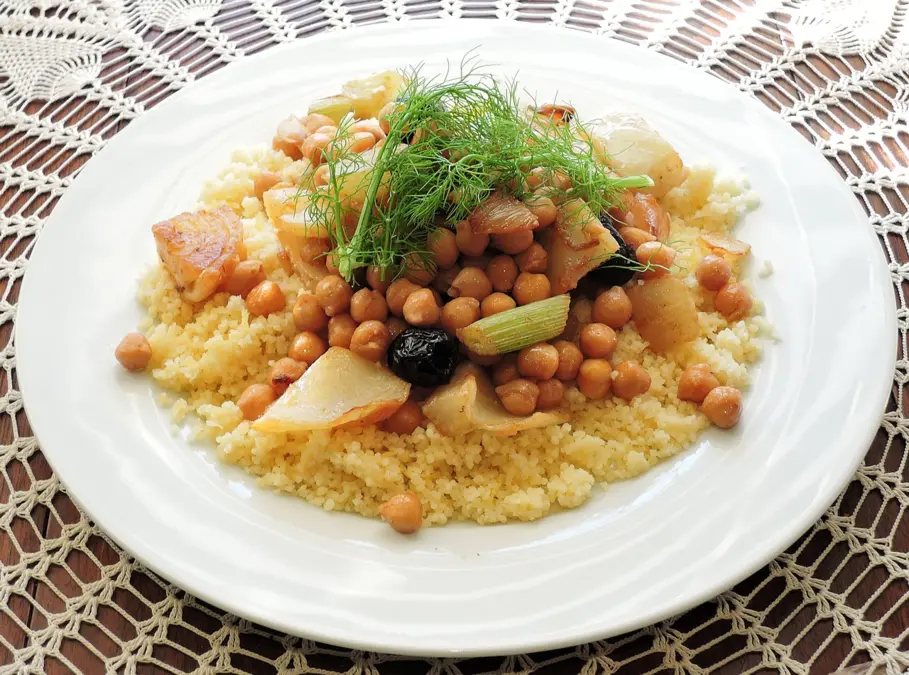
Muslim food culture is rich, diverse and closely connected to faith, family life and daily habits. It is not only about what Muslims eat. It is also about halal and haram, respect for food, sharing meals and being grateful to Allah.
From North Africa to the Middle East, from Africa to South Asia, Muslim cuisines reflect many peoples, languages and histories. The dishes may be different from one country to another, but many values remain the same: eating what is lawful, avoiding excess, welcoming guests and sharing with family, neighbours and people in need.
Understanding Muslim food culture is also a good way to discover part of Islamic life. For students who want to learn Arabic online, this topic is useful because it introduces Arabic vocabulary related to food, Ramadan, Eid and everyday Muslim practices.
Halal and haram: the basics of food in Islam
The words halal and haram are very important in Muslim food culture.
- Halal means what is allowed in Islam.
- Haram means what is forbidden.
When we speak about food, these rules can apply to meat, drinks, ingredients and the way food is prepared. They remind Muslims to be careful about what they eat and to look for food that is lawful and pure.
Halal is not only a label on a product. It is also part of a way of life. It teaches Muslims to respect the limits set by Allah, avoid doubtful matters and make responsible choices.
A diverse food culture across the Muslim world
There is not only one Muslim cuisine. The Muslim world is large, and every region has its own dishes, spices, habits and family traditions.
In North Africa, family meals may include couscous, tajines, soups, dates and traditional sweets. In the Middle East, rice, bread, grilled meat, lentils, chickpeas and shared dishes are common. In South Asia, spices, rice and slow-cooked dishes have an important place. In many African countries, grains, sauces and shared meals are part of daily life.
This diversity shows that Muslim food culture is shaped by geography, history, local products and family traditions. But in many places, food is still connected to hospitality, generosity and respect.
Food during Ramadan and Eid
Ramadan is one of the best times to understand the link between Islam and food. During this month, Muslims fast from dawn until sunset. The meal that breaks the fast is called iftar. It is a moment of gratitude, family and sharing.
In many homes, iftar begins with dates and water. Then people may eat soup, a main dish or other foods depending on local traditions. The meals are different from one country to another, but the spirit is the same: thanking Allah, sharing with loved ones and remembering people in need.
Eid is also connected to special meals. Families gather, cook traditional dishes, visit relatives and share joyful moments. Food becomes a way to strengthen family and community ties.
Eating with balance in Islam
Islam encourages Muslims to eat with balance, without excess and without wasting food. Food is a blessing, and it should be received with gratitude and moderation.
This gives food a spiritual meaning. Eating is not only a physical need. It is also a chance to thank Allah, take care of the body and respect the rights of others.
The fast of Ramadan reminds Muslims of this. It helps develop patience, discipline, empathy for the poor and self-control. Food then becomes more than something we consume. It becomes a reminder of our need for Allah.
Useful Arabic words about food
For someone taking online Arabic classes, food vocabulary is very useful. It helps with Arabic reading, Arabic pronunciation and simple daily conversations.
- طَعَام: food
- مَاء: water
- خُبْز: bread
- تَمْر: dates
- لَحْم: meat
- حَلَال: lawful
- حَرَام: forbidden
- صَوْم: fasting
- إِفْطَار: breaking the fast
These words can be learned even at an Arabic for beginners level. They are also useful for students of Quranic Arabic, because some of these words appear in Islamic texts, Ramadan lessons and religious explanations.
Learning Arabic and Islam through culture
Muslim food culture shows that Arabic and Islam are often connected to daily life. Words about fasting, meals, halal, Eid and gratitude are useful for understanding Islamic texts and Muslim practices.
A student can begin with the Arabic alphabet, then move to Arabic reading, Arabic pronunciation, Arabic vocabulary and Arabic grammar. Depending on the goal, the student can continue with Modern Standard Arabic online lessons or focus on Quranic Arabic.
Arabic classes for adults and Arabic classes for kids can both be more effective with a teacher. Personalized learning helps students correct mistakes, practise regularly and make steady progress.
Learn Arabic with a teacher
If you want to understand Islamic texts better, read Arabic more easily or build your vocabulary, private Arabic lessons can help you move forward step by step.
Al-Dirassa offers online Arabic classes for adults and children, with an Arabic teacher online and lessons adapted to each student’s level. You can also choose Arabic classes for kids, a Quranic Arabic course or online Quran and Tajweed classes.
Book your free trial of 30 minutes
Registration form
Conclusion
Muslim food culture reflects a deep link between faith, tradition, family and behaviour. Halal and haram, Ramadan meals, Eid celebrations and regional cuisines all show that food has an important place in Islamic life.
This article helps explain one cultural topic. But to learn Arabic, read religious texts or understand Islam more deeply, it is better to follow a clear method, practise often and receive correction from a teacher. With regular guidance, a simple discovery can become real learning.



No Comments
No comments yet.