
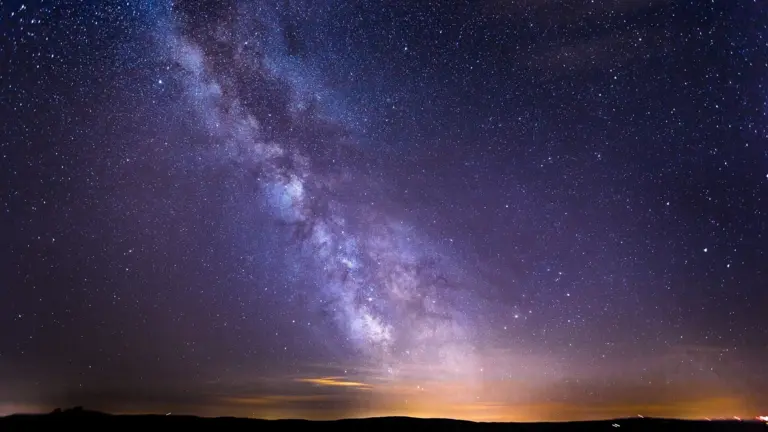
Laylat al-Qadr, known in English as the Night of Decree, is one of the most important nights of the year for Muslims. In Arabic, it is called ليلة القدر. It occurs during Ramadan and is described in the Quran as a night better than a thousand months.
Many believers want to know the signs of Laylat al-Qadr in order to benefit from this blessed night. However, it is important to keep a balanced understanding. The signs may help a person reflect, but a Muslim should not wait for absolute certainty before worshipping Allah.
The best approach is to seek Laylat al-Qadr sincerely during the last ten nights of Ramadan by increasing prayer, Quran recitation, supplication, repentance and good deeds.
What Is Laylat al-Qadr?
Laylat al-Qadr is a night of immense spiritual value. Allah mentions it in Surah al-Qadr and describes it as better than a thousand months.
This night is connected to the revelation of the Quran, the descent of the angels, peace and the mercy of Allah. It is a unique opportunity for the believer to draw closer to their Lord.
Understanding Laylat al-Qadr is not only about looking for visible signs. It is mainly about understanding its value, preparing spiritually and using the last nights of Ramadan seriously.
When Should Laylat al-Qadr Be Sought?
The Night of Decree should be sought during the last ten nights of Ramadan. Many Muslims give special attention to the odd nights, such as the 21st, 23rd, 25th, 27th and 29th nights.
However, it is better not to limit one’s effort to only one night. A believer who truly wants to benefit from Laylat al-Qadr should try to worship Allah during all the last ten nights according to their ability.
This approach helps avoid missing the night through negligence or calculation errors. Dates may vary depending on moon sighting, countries and calendars.
Can the Night of Decree Be Recognized with Certainty?
Some signs of Laylat al-Qadr are mentioned in Islamic texts or reported by scholars. However, this does not mean that every person will recognize the night with certainty while it is happening.
Some signs may be felt during the night, while others are observed afterward, such as the sunrise the following morning. For this reason, Muslims should remain cautious and avoid exaggerated claims.
The most important point is not to search for a visible proof, but to worship Allah sincerely. Even if a believer does not know exactly which night was Laylat al-Qadr, they may receive great reward if they worshipped Allah during the last ten nights.
Signs Mentioned During Laylat al-Qadr
Scholars have mentioned several possible signs connected to Laylat al-Qadr. These signs should be understood with caution. They should not become an obsession or replace worship.
A Peaceful and Gentle Night
Among the signs often mentioned is that the night may be calm, gentle and neither extremely hot nor extremely cold. This gentleness may remind the believer of the peace and mercy connected to this blessed night.
However, weather conditions vary according to countries, seasons and regions. Laylat al-Qadr should therefore not be reduced to a simple weather observation.
A Feeling of Tranquility for the Believer
Some believers may feel a special sense of tranquility during this night. The heart may feel more present, more humble and more turned toward Allah.
This feeling of peace is a blessing, but it remains personal. A person may not feel anything extraordinary and still worship Allah sincerely. The value of worship does not depend only on an emotion felt by the worshipper.
Ease in Worship
A believer may find a special ease in night prayer, Quran recitation, supplication or repentance. This ease can encourage them to increase good deeds.
But here again, one should avoid exaggeration. Fatigue, illness, family responsibilities or work may affect a person’s state. Allah knows the effort of each servant.
Signs After Laylat al-Qadr
Among the signs mentioned after Laylat al-Qadr is the sunrise the following morning. It is reported that the sun may rise clear and gentle, without strong rays or with a particular softness in its light.
This sign is often mentioned in lessons and writings about the Night of Decree. It may help a person reflect after the night, but it should not be treated as absolute certainty by every individual.
The believer should remain humble. Even if they think they observed certain signs, they should continue making dua, asking Allah to accept their deeds and remaining regular in worship.
False Signs of Laylat al-Qadr to Avoid
Over time, some false signs have spread among people. They are not based on reliable evidence and may create incorrect beliefs.
Examples of signs to avoid include:
- the idea that dogs never bark during that night;
- the idea that trees visibly prostrate;
- the idea that water suddenly becomes sweet or changes nature;
- the idea that lights must appear in dark places;
- the idea that every believer must see a special dream;
- the idea that everyone can recognize the night with certainty.
A Muslim should avoid superstition and remain attached to reliable teachings. Laylat al-Qadr is a night of worship, sincerity and mercy, not a night for chasing strange phenomena.
What to Do During the Last Ten Nights of Ramadan
The best way to seek Laylat al-Qadr is to increase worship during the last ten nights of Ramadan. Even if a person cannot do much, they can choose simple and regular actions.
Recommended acts include:
- praying at night according to one’s ability;
- reading and listening to the Quran;
- making many supplications;
- seeking Allah’s forgiveness;
- doing dhikr;
- giving charity;
- reducing distractions;
- correcting one’s intention;
- asking Allah to accept one’s deeds.
It is better to prepare for these nights before they arrive: organize your time, reduce unnecessary distractions and plan quiet moments for worship.
The Recommended Dua During Laylat al-Qadr
A very well-known supplication to recite during the last ten nights of Ramadan is:
اللَّهُمَّ إِنَّكَ عَفُوٌّ تُحِبُّ الْعَفْوَ فَاعْفُ عَنِّي
It means: O Allah, You are Pardoning and You love pardon, so pardon me.
This dua is short, but its meaning is immense. It reminds the believer that they ask first for forgiveness, purification of the heart and Allah’s mercy.
A Muslim may also ask Allah in their own language, sincerely, for their faith, family, parents, children, guidance, protection and success in the Hereafter.
Learning Ramadan, Prayer and Supplications Step by Step
Laylat al-Qadr is connected to Ramadan, the Quran, night prayer, supplication and repentance. To benefit from this night more deeply, it is useful to learn the basics of Islamic practice with method.
To deepen your understanding, you can read our Islamic articles, which cover Ramadan, supplications, spirituality and religious practice.
If you want to review the foundations of the religion, our guide to learn Islam can help you progress step by step.
For structured support with a teacher, discover our online Islamic classes, designed for beginners, adults and students who want to strengthen their religious practice.
Since Laylat al-Qadr is connected to the Quran and its revelation, you can also progress with our online Quran and Tajweed classes.
You can also read our article about the best times to make dua to better organize your supplications during Ramadan and beyond.
Book your free trial of 30 minutes
Registration form
FAQ About the Signs of Laylat al-Qadr
What are the signs of Laylat al-Qadr?
Among the signs often mentioned are a peaceful and gentle night, a feeling of tranquility, ease in worship and, after the night, a clear sunrise with weak rays.
Is Laylat al-Qadr always the 27th night?
The 27th night is often sought by many Muslims, but Laylat al-Qadr should be sought during the last ten nights of Ramadan, especially the odd nights. A Muslim should not limit their effort to only one night.
Can Laylat al-Qadr be recognized during the night?
Some people may notice certain signs, but it is not guaranteed that everyone can recognize it with certainty. The essential point is to worship Allah sincerely during the last ten nights.
What are false signs of the Night of Decree?
Ideas such as dogs never barking, trees visibly prostrating or water changing miraculously should not be treated as reliable signs.
What dua should I recite during Laylat al-Qadr?
A known supplication is: اللَّهُمَّ إِنَّكَ عَفُوٌّ تُحِبُّ الْعَفْوَ فَاعْفُ عَنِّي, which means: O Allah, You are Pardoning and You love pardon, so pardon me.
Conclusion: Seeking Laylat al-Qadr with Sincerity
The signs of Laylat al-Qadr may help the believer reflect, but they should not become an obsession. Laylat al-Qadr is above all a night of worship, forgiveness, Quran, supplication and drawing closer to Allah.
A Muslim should seek this night during the last ten nights of Ramadan, without limiting their effort to one date and without becoming attached to false popular signs.
By increasing prayer, Quran recitation, supplication and repentance with sincerity, the believer may hope to benefit from this blessed night, even if they do not know with certainty which night was Laylat al-Qadr.





No Comments
No comments yet.
No comments yet.