
Teaching Arabic to a child is a beautiful step, whether the goal is religious, cultural, family-related or educational. But for a child to make real progress, learning must be simple, clear and adapted to their age.
A child should not start with difficult grammar rules or long texts. The best way is to begin step by step: the Arabic alphabet, Arabic reading, pronunciation, simple words, then short sentences. With regular practice and the help of an Arabic teacher, a child can learn Arabic online from home in a calm and structured way.
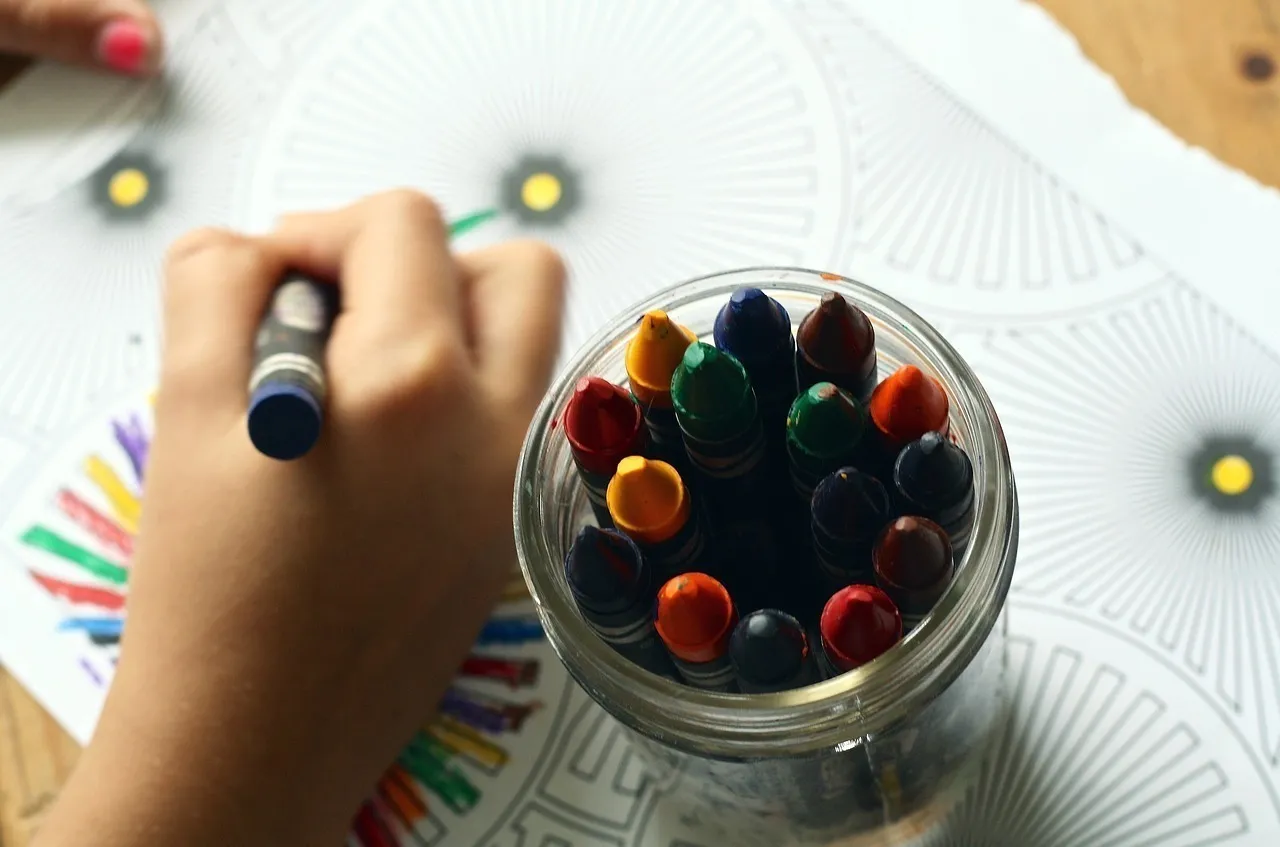
Why should children learn Arabic?
Arabic is a rich and important language. It is spoken in many countries and has a strong place in culture, history, literature and religion. For Muslim children, learning Arabic can also help them become more familiar with the language of the Quran.
When children start early, they often find it easier to hear new sounds, repeat words and remember letters. They can also become more comfortable with a different writing system.
Learning Arabic can help children to:
- recognize the Arabic alphabet;
- read simple Arabic words;
- improve Arabic pronunciation;
- build Arabic vocabulary;
- understand short sentences;
- discover Modern Standard Arabic;
- prepare for Quranic Arabic later.
Where should children start when learning Arabic?
For beginners, the first lessons must be easy and encouraging. The child needs time to understand the letters, the sounds and the way Arabic words are formed.
The Arabic alphabet
The first step is learning the Arabic alphabet. Children need to recognize each letter, hear its sound and repeat it correctly.
They also need to understand that Arabic letters can change shape depending on where they appear in a word. This is why it is better to learn slowly, with short lessons and regular revision.
Arabic reading
After learning the letters, the child can start Arabic reading. This means connecting letters, reading syllables and then reading simple words.
This step is very important. Some children know the letters separately, but they still find it difficult to read full words. A teacher can help correct mistakes from the beginning.
Arabic pronunciation
Arabic has sounds that do not exist in English or French. Some letters can be difficult for children at first.
This is why pronunciation should be corrected early. If a child repeats a sound in the wrong way for a long time, it can become harder to correct later. With an Arabic teacher online, the child can listen, repeat and receive direct correction.
Simple Arabic vocabulary
Children learn better when the words are linked to daily life. They can start with simple topics such as family, colors, animals, numbers, food, greetings and objects at home.
The goal is not only to memorize words. The child should slowly learn how to use them in short and simple sentences.
What is the best method for Arabic beginners?
A good method for children must be simple, progressive and regular. It should not be too fast or too difficult.
A useful Arabic program for kids should include:
- short and clear lessons;
- regular revision;
- Arabic alphabet practice;
- reading exercises;
- pronunciation correction;
- simple vocabulary;
- speaking practice;
- personalized support.
Children need encouragement. If the lesson is too long or too hard, they may lose motivation. A steady and positive rhythm is usually more effective.
Apps, videos or an Arabic teacher?
Apps, videos and free resources can be useful at the beginning. They can help children discover the alphabet, hear Arabic sounds and learn a few words. Parents can also use free Arabic books for beginners to revise at home.
But these tools have one limit: they do not correct the child. If the child reads a word incorrectly or pronounces a letter in the wrong way, an app will not always notice it.
This is why a private Arabic tutor can be very helpful. The teacher can adapt the lesson to the child’s level, repeat when needed, correct mistakes and encourage the child.
Arabic classes for kids at Al-Dirassa Institute
Al-Dirassa Institute offers Arabic classes for kids designed for non-Arabic speaking children. The lessons are organized step by step, so the child can learn the alphabet, improve reading, work on pronunciation and build vocabulary.
Children can learn Arabic online from home with a teacher. This makes learning easier for families and gives the child more personal attention than in a large group class.
During the lessons, children can work on:
- the Arabic alphabet;
- Arabic reading;
- Arabic pronunciation;
- Arabic vocabulary;
- simple sentences;
- basic Arabic grammar;
- listening skills;
- speaking confidence.
Learning Arabic online with a teacher
Online Arabic classes are a practical choice for families. The child can study from home, without travel, and follow a regular program with an Arabic teacher online.
This can be useful for children who need personalized learning, especially if they are complete beginners. The teacher can adapt the lesson to the child’s age, level and learning speed.
Learn Arabic with a teacher
If your child is starting Arabic, a teacher can help them progress with more confidence. At Al-Dirassa Institute, children can follow Arabic lessons online with a teacher and work step by step on the alphabet, reading, pronunciation and simple sentences.
You can start with a free trial lesson to check your child’s level and choose the best rhythm for them.
Book your free trial of 30 minutes
Registration form
What about Quranic Arabic for children?
Some parents want their child to learn Arabic in order to read the Quran better. In this case, it is important to move step by step.
The child should first learn the letters, reading and pronunciation. After that, they can continue with Quranic Arabic or online Quran and Tajweed classes.
It is better not to rush. A child who still struggles with reading Arabic needs a strong foundation before studying more advanced rules.
Modern Standard Arabic or dialect: what should children learn?
For children who do not speak Arabic at home, it is usually better to start with Modern Standard Arabic. This is the Arabic used in books, lessons, educational materials and many written resources.
A dialect can be useful in a family context, but Modern Standard Arabic gives the child a stronger base for reading, writing and future study.
How can parents help at home?
Parents play an important role. Even if the child studies with a teacher, small daily revision at home can make a big difference.
Here are some simple tips:
- revise a few letters every day;
- listen to Arabic sounds regularly;
- read again the words seen in class;
- place the Arabic alphabet in the study area;
- use vocabulary cards;
- encourage the child without pressure;
- keep a regular rhythm, even if it is slow.
Arabic learning should stay positive. A child who feels encouraged and supported will usually stay more motivated.
Conclusion
Learning Arabic as a child is a valuable opportunity. To succeed, the child needs to move step by step: first the Arabic alphabet, then Arabic reading, pronunciation, vocabulary and simple sentences.
This article explains how to start, but full Arabic learning needs a clear method, regular practice and correction from a teacher. With the right support, a child can progress in Arabic for beginners, Modern Standard Arabic or Quranic Arabic in a steady and confident way.



No Comments
No comments yet.