
Introduction
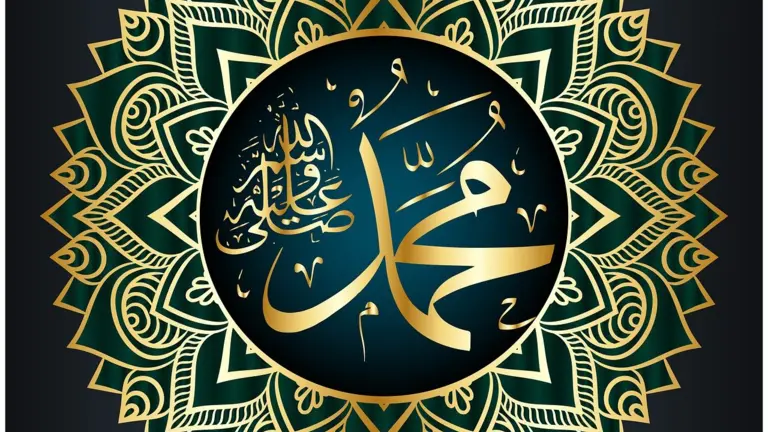
Mawlid Nabawi, the celebration of the Prophet Muhammad's (peace be upon Him) birthday, holds significant importance for many Muslims around the globe. This event, commemorating the Prophet's birth, is steeped in diverse and profound traditions. However, it also sparks considerable debate within the Muslim community. This article explores the historical origins of Mawlid, examines the controversies surrounding the celebration, and offers alternatives for those who choose not to partake in it.
Origins and Historical Development
The commemoration of Mawlid Nabawi dates back to the early 11th century under the Fatimid Caliphate in Egypt. This period marked the inception of public celebrations characterized by religious speeches, songs, and recitations of the Quran in honor of the Prophet Muhammad (peace be upon Him). Over time, this practice spread to other regions of the Muslim world, including North Africa, South Asia, and Turkey, with each region incorporating its own unique traditions.
The Concept of Innovation (Bid'ah)
For some Muslims, Mawlid is a chance to express their devotion to the Prophet Muhammad (peace be upon Him). However, this practice is viewed as an innovation (bid'ah) by others, who argue that this celebration was not practiced by the early Muslims, the Prophet himself, or his companions. From this perspective, any innovation in religious practice is rejected as it deviates from the original teachings of Islam.
Book your free trial of 30 minutes
Registration form
Controversy and Perspectives
The issue of Mawlid as an innovation is supported by several scholars and traditional sources. Sheikh Ibn Taymiyyah, in his work Majmu' al-Fatawa, states that although Mawlid may appear commendable, it lacks a solid foundation in the traditions of the Prophet Muhammad (peace be upon Him) and should thus be avoided (Ibn Taymiyyah, Majmu' al-Fatawa, vol. 2, p. 158). Similarly, Sheikh Muhammad ibn Abd al-Wahhab criticizes Mawlid in his writings, labeling it an innovation not grounded in the primary sources of Islam (ibn Abd al-Wahhab, Kitab al-Tawhid). Contemporary scholar Sheikh Albani also argues against Mawlid in his book Silsilat al-Ahadith al-Sahihah, asserting that the celebration lacks authentic evidence and may lead to non-Sunnah practices (Albani, Silsilat al-Ahadith al-Sahihah, vol. 1, p. 123). These opinions reflect a conservative approach towards religious innovations.
Alternatives to Mawlid Celebration
The issue of Mawlid as an innovation is supported by several scholars and traditional sources. Sheikh Ibn Taymiyyah, in his work Ma For those who choose not to celebrate Mawlid due to its controversial aspects, several alternatives offer authentic ways to honor and follow the teachings of the Prophet Muhammad (peace be upon Him):
- Increase Prayers and Invocations: Expressing love for the Prophet through additional prayers and invocations is a direct and accepted way to draw closer to Him. Incorporating these prayers into daily routines is especially meaningful.
- Study the Prophet's Life: Reading the Sira (biography of the Prophet) and Hadiths (sayings of the Prophet) is crucial for understanding and integrating His teachings into daily life.
- Implement the Prophet's Teachings: Adopting the ethical, moral, and social advice of the Prophet Muhammad (peace be upon Him) in all aspects of life is a concrete way to honor His memory.
- Engage in Community Initiatives: Participating in charitable and community activities that reflect the Prophet's values, such as compassion, justice, and assistance, is a valid alternative.
jmu' al-Fatawa, states that although Mawlid may appear commendable, it lacks a solid foundation in the traditions of the Prophet Muhammad (peace be upon Him) and should thus be avoided (Ibn Taymiyyah, Majmu' al-Fatawa, vol. 2, p. 158). Similarly, Sheikh Muhammad ibn Abd al-Wahhab criticizes Mawlid in his writings, labeling it an innovation not grounded in the primary sources of Islam (ibn Abd al-Wahhab, Kitab al-Tawhid). Contemporary scholar Sheikh Albani also argues against Mawlid in his book Silsilat al-Ahadith al-Sahihah, asserting that the celebration lacks authentic evidence and may lead to non-Sunnah practices (Albani, Silsilat al-Ahadith al-Sahihah, vol. 1, p. 123). These opinions reflect a conservative approach towards religious innovations.
Conclusion
The celebration of Mawlid Nabawi evokes diverse opinions among Muslims. While some view it as a joyous occasion to honor the Prophet Muhammad (peace be upon Him), others see it as an innovation that diverges from traditional Islamic practices. These debates reflect the rich variety of interpretations within the Muslim community. Regardless of personal views, it is essential to seek authentic and sincere ways to honor the Prophet and embody His teachings in our daily lives. To Know More: Discover our Online Islamic Courses





No Comments
No comments yet.
No comments yet.