
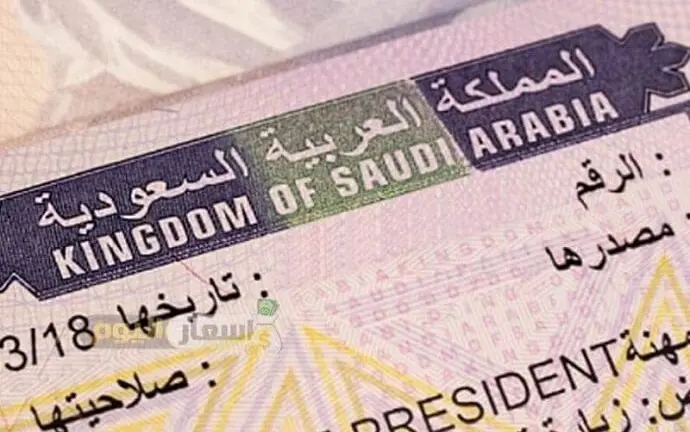
The Saudi Arabia eVisa allows certain travelers to apply for a visa online without going directly through an embassy or consulate. It is often used for tourism, visiting historical sites, some religious travel outside Hajj, or staying in Madinah and other cities of the Kingdom.
The procedure is generally accessible, but it must be completed carefully. Eligibility rules, fees, required documents, stay conditions and authorizations related to Umrah may change. It is therefore essential to always verify information on official platforms before submitting an application.
In this guide, you will learn the main steps to obtain a Saudi eVisa, the documents to prepare, common mistakes to avoid, the difference between eVisa, Umrah visa and Hajj visa, as well as useful advice for preparing a trip to Madinah or Saudi Arabia.
To better prepare for a religious journey, it is also useful to review the foundations of faith, rites and Muslim behavior. You can visit our page to learn Islam.
Key points about the Saudi Arabia eVisa
The Saudi eVisa is an electronic visa requested online. It facilitates entry into Saudi Arabia for eligible travelers, according to the conditions set by the Saudi authorities.
Before applying, several important points should be remembered:
- the eVisa is not available for all nationalities or all situations;
- conditions may change depending on the period and type of travel;
- information must be entered exactly as it appears on the passport;
- a tourist eVisa should not be confused with a Hajj visa;
- Umrah may sometimes require additional procedures or authorizations;
- fees and processing times must be checked at the time of application;
- official information should always take priority over old articles found online.
What is the Saudi Arabia eVisa?
The Saudi eVisa is an electronic visa requested online. The traveler fills in a form, pays the required fees, then receives the visa in electronic format if the application is accepted.
This visa allows eligible travelers to enter Saudi Arabia according to the conditions set by the authorities. It may be used to discover the country, visit cultural and historical sites, or organize a stay including Madinah.
However, the tourist eVisa should not be confused with all other visa types. Hajj, for example, has specific rules, precise dates, quotas and special authorizations. It must go through the official channels prepared for the pilgrimage.
Who can apply for a Saudi eVisa?
The eVisa is not automatically available to all travelers. Eligibility depends on nationality, passport, country of residence or certain specific conditions defined by the Saudi authorities.
Before starting the application, you must check whether your passport or situation allows you to apply for an eVisa. This verification should be done directly on official platforms, because the list of countries and conditions may change.
If you are not eligible for the eVisa, you may need to apply for another type of visa through an embassy, consulate, approved agency or official platform depending on your situation.
What documents should be prepared before applying?
Before applying for a Saudi Arabia eVisa, it is better to prepare all necessary elements. This helps avoid errors, delays or refusals caused by incorrect information.
Documents and information often requested may include:
- a valid passport, generally with sufficient validity;
- an identity photo that meets the required standards;
- an active email address;
- an accepted payment method;
- the traveler’s personal information;
- information related to the stay;
- travel or health insurance when included or required;
- additional information depending on the visa type or applicant’s situation.
It is important to enter information exactly as it appears on the passport. An error in the name, passport number, date of birth or nationality may create difficulties during validation or travel.
How to apply for a Saudi Arabia eVisa
The eVisa application is completed online. The process may vary depending on the portal used, the applicant’s nationality and the type of visa requested. However, the main steps are usually similar.
1. Check eligibility
The first step is to check whether you can apply for an eVisa. This verification should be done on an official platform in order to avoid outdated information or unreliable websites.
If you are preparing for Umrah, also check the rules related to permits, reservations and official platforms used to organize religious travel.
2. Fill in the online form
Once eligibility is confirmed, you must complete the online form. The information must be accurate, consistent and identical to your passport.
Take the time to reread every field before validating. A simple mistake may cause a delay, a correction request, a refusal or difficulty upon arrival.
3. Pay the visa fees
After completing the form, the applicant must pay the visa fees. The amount may depend on the visa type, included insurance, nationality or rules in force at the time of application.
It is better not to rely on a fee found in an old article. Travelers should check the exact amount at the time of application on the official portal used.
4. Receive and verify the eVisa
If the application is accepted, the visa is generally sent by email or made available in the applicant’s online account.
Before traveling, carefully verify all information shown on the eVisa: first name, last name, passport number, dates, visa type and stay conditions.
It is recommended to keep both a digital copy and a printed copy of the visa, along with important travel documents.
Can Umrah be performed with an eVisa?
According to the rules in force, some travelers may perform Umrah with a tourist visa or eVisa outside the Hajj period. However, having an entry visa is not always enough: additional procedures may be required through official platforms related to Umrah.
The Nusuk platform plays an important role in organizing religious travel, especially for certain services, reservations or permits. Rules may change depending on the period, season and decisions of the Saudi authorities.
Before traveling for Umrah, verify your visa, required permits, necessary reservations, access rules to the holy sites and official conditions in force.
To better understand the spiritual meaning of this rite, read our guide on Umrah in Islam.
What is the difference between eVisa, Umrah visa and Hajj visa?
The tourist eVisa generally allows entry into Saudi Arabia for a tourism or cultural stay, according to the conditions set for eligible travelers.
The Umrah visa or procedures related to Umrah concern people who wish to perform this religious rite. Depending on the period and rules in force, some travelers may use an eVisa, but they must also respect procedures related to permits and official platforms.
Hajj is different. It has its own rules, specific dates, quotas, platforms and authorizations. A simple tourist eVisa should not be considered a visa that allows one to perform Hajj.
This distinction is essential to avoid unpleasant surprises, access refusal or administrative penalties.
What about the student visa for Saudi Arabia?
The student visa is a different type of visa from the tourist eVisa. It generally concerns people admitted to a recognized institution or study program requiring physical presence in Saudi Arabia.
Student visa conditions may include academic documents, official admission, sponsorship or a specific administrative procedure. These conditions depend on the competent authorities and the institution concerned.
Therefore, one should not assume that a simple tourist eVisa allows official study on site, nor that an educational organization can automatically provide a student visa. The type of visa depends on the real purpose of travel: tourism, Umrah, Hajj, studies, work, family visit or another situation.
Before any procedure related to studies in Saudi Arabia, check the official requirements corresponding to your situation and contact the competent channels.
Common mistakes to avoid
During a Saudi Arabia eVisa application, some mistakes happen frequently. They can delay the file, cause a refusal or complicate the journey.
- using a non-official website without verifying its reliability;
- entering a name different from the passport;
- making a mistake in the passport number;
- not checking passport validity;
- confusing tourist eVisa and Hajj visa;
- thinking the visa is always enough for Umrah without checking permits;
- not reading the stay conditions;
- waiting until the last moment to apply;
- forgetting to print or save the visa;
- relying on old information found online.
The best method is to verify official information, reread the application carefully and keep all proof of payment and validation.
Tips before traveling to Saudi Arabia
Once the visa is obtained, several points still need to be prepared before departure. A successful trip also depends on practical organization.
Before leaving, remember to:
- check passport validity;
- verify visa dates;
- keep paper and digital copies of your documents;
- check health or vaccination rules in force;
- prepare flight and accommodation bookings;
- respect local rules and sacred places;
- prepare suitable clothing;
- organize travel between cities;
- check conditions for visiting Madinah, Makkah or performing Umrah.
If you are traveling for a religious purpose, it is also useful to learn the basic rules before departure in order to better understand the rites, places and behaviors to adopt.
Preparing your trip to Madinah
A trip to Saudi Arabia can be an opportunity to visit Madinah, a city deeply connected to Islamic history, the Hijrah and the life of the Prophet ﷺ.
Madinah is home to the Prophet’s Mosque, called Masjid an-Nabawi. Many travelers wish to pray there, reflect and better understand the beginnings of the Muslim community.
To prepare this visit, read our article on the Prophet’s Mosque in Madinah.
It is also useful to organize the stay with respect: learn the visiting etiquette, avoid excessive behavior, preserve modesty, respect other worshippers and keep a sincere intention.
Preparing a religious journey with method
A stay in Saudi Arabia may be an opportunity to visit Madinah, discover important places in Islamic history or perform Umrah. It is therefore useful to prepare the journey both administratively and spiritually.
To deepen your understanding of these topics, you can read our articles on Islam and culture, covering history, religious practices and important places in Islam.
To review the foundations of the religion before your trip, our page to learn Islam helps you progress step by step.
For structured support with a teacher, explore our Islamic studies online courses, adapted to beginners and those who wish to better understand religious practice.
Since religious travel is often connected to Quran, prayer and supplications, you can also strengthen your recitation with our program to learn Quran and Tajweed online.
Book your free trial of 30 minutes
Registration form
FAQ — Saudi Arabia eVisa
Where can I apply for a Saudi Arabia eVisa?
The application should be made through official platforms or recognized channels. Avoid suspicious websites and always verify the portal address before paying.
How long does it take to obtain a Saudi eVisa?
The processing time may vary depending on the application, period and checks required. It is recommended not to wait until the last moment and to check the processing times indicated at the time of application.
Does the eVisa allow Umrah?
In some cases, the tourist eVisa may allow Umrah outside the Hajj period, but permits, Nusuk rules and official conditions in force must also be checked.
Can Hajj be performed with a tourist eVisa?
No. Hajj has specific rules and requires official authorizations related to the pilgrimage. Tourist eVisa and Hajj visa should not be confused.
What is the difference between eVisa and student visa?
The eVisa is generally linked to tourism or cultural travel for eligible travelers. The student visa concerns a different situation, generally linked to official admission into an institution or study program requiring presence on site.
What should I do if information changes after obtaining the visa?
Check official instructions and, if necessary, contact the support of the portal used or the competent authorities. Do not travel with inconsistent information between passport, visa and stay documents.
Should I print my eVisa?
It is recommended to keep both a digital copy and a printed copy of the eVisa, along with important travel documents.
Does an eVisa automatically guarantee entry into the country?
A visa allows the traveler to present themselves at border control, but authorities may still check documents, stay conditions and travel compliance. All official conditions must therefore be respected.
Conclusion: verify official rules before every trip
The Saudi Arabia eVisa makes procedures easier for many travelers, but it requires vigilance. Eligibility must be checked, documents prepared, the form completed accurately and the visa verified before departure.
For religious travel, it is also essential to distinguish between tourist eVisa, Umrah and Hajj. The rules are not the same and some procedures go through specific official platforms.
By combining serious administrative preparation with sincere spiritual preparation, the traveler can approach a stay in Saudi Arabia with greater peace, respect and clarity.




No Comments
No comments yet.
No comments yet.