
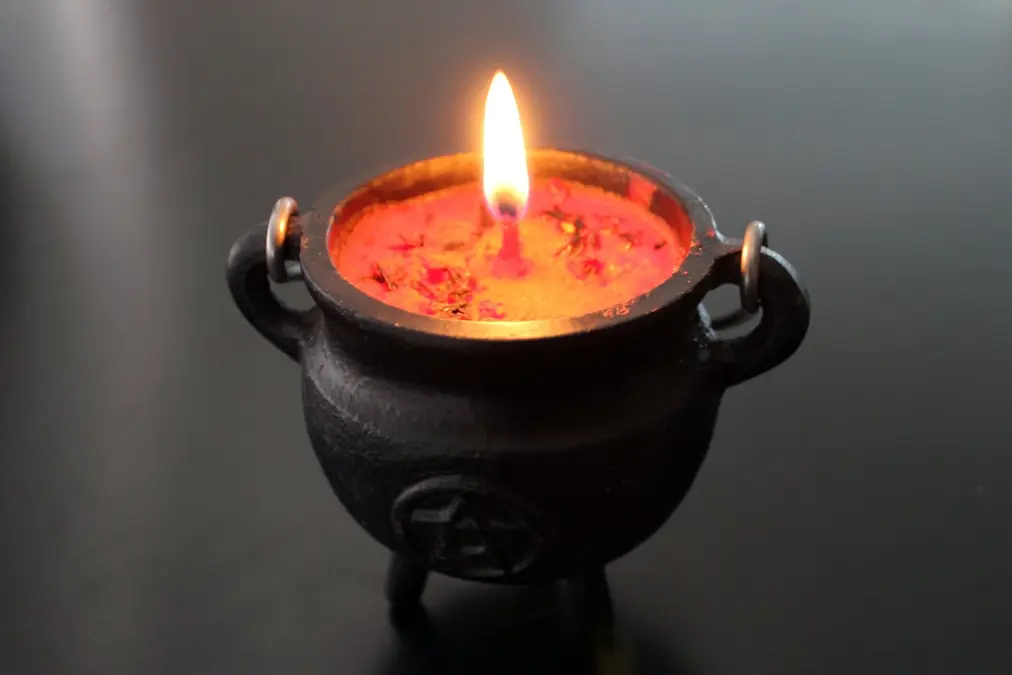
Witchcraft, divination, fortune telling and superstitions are important topics related to Islamic belief. In Islam, faith is based on the oneness of Allah, known as التوحيد, and on trusting Him alone.
These practices are dangerous because they may weaken belief, turn the heart away from Allah and lead some people to seek help through forbidden means. For this reason, it is important to understand what Islam teaches about them with clarity, caution and method.
Why This Topic Is Directly Related to Islamic Belief
Islamic belief, known as العقيدة, teaches that Allah alone has complete knowledge, perfect power and full control over the universe. A Muslim therefore places trust in Allah while using lawful means.
Witchcraft, divination and fortune telling are serious issues because they often involve claims of knowing the unseen, occult practices or dependence on other than Allah.
Understanding these topics helps protect Tawheed, avoid superstition and distinguish lawful means from forbidden practices.
What Is Witchcraft in Islam?
Witchcraft, called السحر in Arabic, refers to hidden practices that aim to produce an effect through occult means. It may take different forms, such as mysterious words, rituals, objects, potions, smoke, knots or requests addressed to unseen forces.
In Islam, witchcraft is strictly forbidden. It is dangerous for faith because it may involve associating partners with Allah, seeking help from jinn or performing forbidden acts.
Sihr and Its Dangers for Faith
The main danger of sihr is not only its possible effect on people. Its greatest danger is related to belief. A person who turns to witchcraft seeks a result through a forbidden path and may become involved in practices that contradict Tawheed.
Islam teaches that nothing happens except by the permission of Allah. Even when a person fears harm, they should turn to Allah, ask for protection, recite authentic supplications and avoid doubtful practices.
Why Witchcraft Contradicts Tawheed
Tawheed means worshipping Allah alone, placing trust in Him and recognizing that absolute power belongs to Him. Witchcraft contradicts this foundation when it is based on shirk, forbidden sacrifices, requests made to jinn or occult rituals.
A Muslim must therefore stay away from these practices, avoid treating them as something harmless and never view them as entertainment. Protecting belief requires knowledge, caution and attachment to the teachings of the Quran and the Sunnah.
Divination and Fortune Telling in Islam
Divination and fortune telling refer to claiming knowledge of the future or hidden matters. Some people claim that they can announce what will happen, reveal secrets or interpret unseen signs.
In Islam, complete knowledge of the unseen belongs to Allah alone. No fortune teller, diviner, astrologer or charlatan possesses independent knowledge of the future.
Claiming Knowledge of the Unseen
The unseen, called الغيب, is among the matters that Allah knows perfectly. He may reveal certain information to His messengers according to His wisdom, but this does not give anyone the right to claim control over or knowledge of the future.
Consulting people who claim knowledge of the unseen can harm belief. It can also create fear, dependence, anxiety and manipulation.
Why Consulting Fortune Tellers Is Dangerous for Belief
Consulting a fortune teller, diviner or anyone who claims to read the future is a dangerous practice. Even when such people use religious language or present themselves as healers, a Muslim should remain cautious.
The believer should not try to know the future through forbidden means. Instead, they should seek advice, perform the prayer of consultation when appropriate, take lawful means and place their trust in Allah.
Omens and Superstitions in Islam
Omens refer to interpreting certain signs as indications of happiness or misfortune. In the past, some people observed the flight of birds or natural events before deciding whether to act or avoid something.
Islam rejects such superstitions because they attach the heart to imaginary signs instead of attaching it to Allah.
Bad Omens and Imaginary Signs
Believing that a day, animal, number, dream or ordinary event automatically brings bad luck may weaken trust in Allah. A Muslim does not build life decisions on omens, but on faith, reason, consultation and lawful means.
It is possible to feel fear or hesitation, but superstitions should not guide decisions. Islamic belief frees the heart from these dependencies.
Trusting Allah When Facing Fear
When a believer fears harm, they turn to Allah. They may make supplications, recite the morning and evening adhkar, read the Quran and ask Allah for protection from what may harm them.
This trust in Allah, known as التوكل, does not mean ignoring causes. It means using lawful means while knowing that the final result belongs to Allah.
How to Recognize Charlatans and Forbidden Practices
Some people present themselves as healers, spiritual masters, fortune tellers or specialists in unseen problems. Caution is necessary because some charlatans use fear, distress or religious ignorance to manipulate people.
Warning signs may include:
- asking for the mother’s name or strange personal information;
- requesting sacrifices or specific objects;
- giving incomprehensible talismans;
- using symbols, numbers or obscure formulas;
- claiming to know the future or hidden secrets;
- asking to be alone with a vulnerable person;
- demanding money while promising guaranteed results.
A Muslim should stay away from such practices and seek advice from reliable people known for their knowledge, seriousness and respect for the Quran and the Sunnah.
How to Protect Your Belief and Tawheed
The best protection is to learn Islamic belief correctly, strengthen one’s relationship with Allah and avoid ambiguous practices.
Useful steps include:
- learning the basics of Tawheed;
- studying Aqeedah with method;
- preserving the obligatory prayers;
- reciting authentic adhkar;
- reading the Quran regularly;
- avoiding fortune tellers, diviners and charlatans;
- asking reliable teachers for guidance;
- not spreading superstitions or false beliefs.
Protecting faith is not based on constant fear. It is based on knowledge, trust in Allah and attachment to authentic Islamic teachings.
Learning Aqeedah Step by Step
Topics such as witchcraft, divination and superstition show the importance of learning Islam with a clear method. Without solid foundations, it becomes easy to confuse religion, traditions, popular fears and forbidden practices.
To deepen your understanding, you can read our Islamic articles, which cover different topics related to belief, worship and Islamic culture.
If you want to review the foundations, our guide to learn Islam helps you progress step by step through the essential concepts.
For structured support, you can also discover our Islamic sciences online courses, designed for beginners, adults and students who want to study the basics of Islam with a teacher.
Students who want to deepen Islamic belief, Aqeedah, Fiqh and acts of worship can also follow online Islamic classes within a progressive learning framework.
Book your free trial of 30 minutes
Registration form
Conclusion: Protecting Faith with Knowledge and Trust in Allah
Witchcraft, divination, fortune telling and superstitions are dangerous practices for Islamic belief. They may turn the heart away from Tawheed, create fear and lead some people toward forbidden means.
Islam teaches the believer to place trust in Allah alone, use lawful means and stay away from any practice that claims knowledge of the unseen or acts through occult methods.
To protect oneself, it is not enough to fear these topics. A Muslim needs to learn Islamic belief with method, understand the foundations of Aqeedah and remain attached to the Quran, the Sunnah and reliable teachings. Regular learning with a qualified teacher can help students progress with more clarity and peace.



No Comments
No comments yet.