
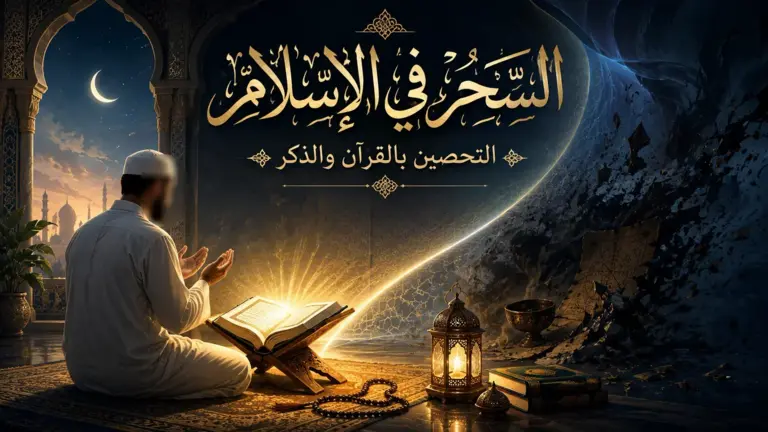
Fortune-telling, divination and superstitions in Islam are important topics connected to Islamic belief. In Islam, faith is based on the oneness of Allah, called Tawhid, and on trusting Him alone.
These practices are dangerous because they may weaken belief, turn the heart away from Allah and push people to seek help through prohibited means. For this reason, it is essential to understand what Islam teaches about them with clarity and caution.
To review the foundations of belief and religious practice, visit our page to learn Islam.
Why this topic directly concerns Islamic belief
Islamic belief teaches that only Allah possesses complete knowledge, perfect power and full control of the universe.
A Muslim places trust in Allah while using lawful means. Fortune-telling, divination and certain superstitions are serious because they often involve claiming knowledge of the unseen or depending on other than Allah.
What is divination in Islam?
Divination means claiming to discover hidden matters, announce the future or reveal secrets through forbidden means. It may take different forms: objects, signs, calculations, occult interpretations or supposed contact with invisible forces.
In Islam, complete knowledge of the unseen belongs to Allah alone. No person has independent knowledge of the future or hidden matters.
Fortune-telling and claiming knowledge of the unseen
Fortune-telling often involves claiming to read the future, know people’s secrets, identify an invisible cause or announce what will happen.
A Muslim does not build decisions on the words of a fortune-teller. A believer seeks advice, reflects, takes lawful means, prays to Allah and places trust in the Lord.
Why consulting a fortune-teller is dangerous
Consulting a fortune-teller, soothsayer or anyone who claims knowledge of the unseen is dangerous for belief, even when they use religious language or pious appearances.
The danger is twofold: the heart may begin depending on other than Allah, and the person may fall into fear, manipulation or superstition.
Superstition and bad omens
Superstitions include believing that an object, number, animal, day, dream or ordinary event automatically brings good or bad luck.
Islam frees the heart from such dependencies. A Muslim does not build life on omens, but on faith in Allah, reason, consultation and lawful means.
Astrology, horoscopes and imaginary signs
Horoscopes and certain forms of astrology claim to describe the future, personality or events through stars or signs. This becomes problematic when it suggests that stars determine events or reveal the unseen.
The Muslim believes that Allah alone fully knows the future.
Witchcraft, fortune-telling and charlatanism
Fortune-telling and divination are often connected to charlatanism. Some people use fear, distress or religious ignorance to manipulate others.
Witchcraft is a separate topic, but it belongs to the same field of forbidden practices when it relies on occult means. Read more in our article on witchcraft in Islam.
How to recognize charlatans
Warning signs include asking for the mother’s name, claiming to know the future, announcing who harmed you without proof, requesting sacrifices, giving incomprehensible talismans, using symbols or obscure formulas, promising guaranteed results or demanding money through fear.
How to protect Tawhid
- learn the foundations of Tawhid;
- study aqeedah with method;
- preserve obligatory prayers;
- recite authentic adhkar;
- read Quran regularly;
- avoid fortune-tellers, soothsayers and charlatans;
- seek advice from reliable teachers;
- avoid spreading superstitions and false beliefs.
What to do when fearing unseen harm
When a believer fears an unseen harm, one should turn to Allah, recite morning and evening adhkar, read Quran, supplicate, seek advice from reliable people and take lawful means.
The believer must avoid fortune-tellers, sorcerers, supposedly protective objects and unknown practices. Fear must not become a door to what is forbidden.
To understand lawful protection through Quran and supplication, read our guide on ruqyah in Islam.
Learning aqeedah with method
Topics related to fortune-telling, divination and superstitions show the importance of learning Islam with method. Without firm foundations, it becomes easy to confuse religion, culture, popular fears and prohibited practices.
Explore our articles on Islam and culture, our Islamic studies online courses, our program to learn Quran and Tajweed online, and our Quranic Arabic course.
Book your free trial of 30 minutes
Registration form
FAQ — Fortune-telling and superstitions in Islam
Is fortune-telling forbidden in Islam?
Yes, consulting someone who claims knowledge of the unseen or future is dangerous for belief and must be avoided.
Why does divination contradict Tawhid?
Because it attributes to created beings or prohibited means a knowledge that belongs to Allah alone.
Are horoscopes allowed?
Horoscopes are problematic when they claim to reveal the future, influence decisions or attribute power over events to stars.
What should I do if I consulted a fortune-teller?
Repent, ask Allah for forgiveness, stop the practice and strengthen belief through learning, prayer and supplications.
Conclusion
Fortune-telling, divination and superstitions are dangerous for Islamic belief. They may turn the heart away from Tawhid, create fear and push people toward prohibited means.
Islam invites the believer to place trust in Allah alone, use lawful causes and stay away from any practice that claims knowledge of the unseen or works through occult means.



No Comments
No comments yet.
No comments yet.