
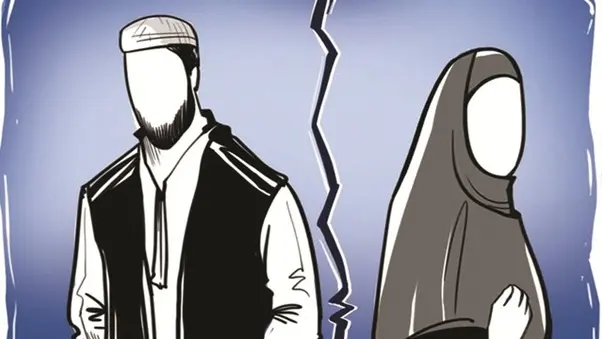
Divorce in Islam is a serious matter guided by rules that aim to preserve justice, dignity and the rights of everyone involved. Even when married life becomes difficult or impossible, Islam teaches spouses to separate with respect, fairness and responsibility.
The situation of divorced women in Islam must be understood with balance and care. A divorced woman keeps her dignity, her financial rights, her family rights and her status as a believer. Divorce does not remove her value, her honor or her rights before Allah.
This article explains the main rights and responsibilities of divorced women in Islam: the العدة iddah period, the mahr, financial support, housing, children and the proper conduct after separation. Details may vary depending on personal circumstances and Islamic legal schools. For a specific case, it is recommended to consult a qualified person in Islamic sciences.
Divorce in Islam: A Decision Guided by Justice
In Islam, marriage is an important commitment based on responsibility, mercy and mutual protection. Divorce is permitted when living together becomes difficult or impossible, but it should not be treated lightly.
The purpose of the rules related to divorce is to reduce injustice, prevent abuse, protect women, preserve the rights of children and allow a dignified separation when reconciliation is no longer possible.
The Quran emphasizes the importance of separating in a fair and honorable manner. This means that divorce should not become a way to humiliate, threaten or unjustly deprive the other person of their rights.
The Rights of Divorced Women in Islam
A divorced woman has several important rights in Islam. These rights concern her dignity, her property, her waiting period, her housing, her children and her protection from injustice.
The Right to Respect and Dignity
The first right of a divorced woman is to be treated with respect. Divorce does not give anyone the right to insult, defame, pressure or humiliate her.
Islam insists on good manners, even during conflict. A separation can be painful, but it must remain guided by the fear of Allah, justice and self-control.
The Right to Mahr Depending on the Situation
The mahr, or bridal gift, is a right of the wife. It belongs to her personally. In the case of divorce, the ruling depends on the situation: whether the marriage was consummated or not, whether the mahr was already paid or not, the type of separation, and whether the separation is a khul‘.
In general, the mahr should not be taken back unjustly. It is a recognized financial right of the woman, not a favor that the husband may withdraw according to his wishes.
The Right to Financial Support During Iddah
The العدة iddah is the waiting period after divorce. During this period, a woman cannot remarry. This rule helps clarify a possible pregnancy and preserves the order of family rights in Islamic law.
In several situations, a divorced woman has the right to financial support during this period, especially for her essential needs. The details depend on the type of divorce and the specific circumstances.
The Right to Housing During the Waiting Period
According to the rules of Fiqh, a divorced woman may have the right to housing during the iddah period, especially in certain types of divorce. This point must be studied carefully because the rulings may vary depending on the situation.
The purpose is not to create additional hardship for the woman, but to preserve her rights, her stability and the clarity of the family situation during this period.
Rights Related to Children and Their Support
When the couple has children, divorce does not remove parental responsibilities. The father remains responsible for the financial support of his children according to his means, even if the children mainly live with their mother.
The mother often plays a central role in the children’s education, emotional stability and daily life. Custody rules may vary depending on the age of the children, their best interest, the family circumstances and the Islamic legal opinion followed.
What Is the Iddah Period?
The iddah is the waiting period required for a woman after divorce or after the death of her husband. In the case of divorce, its duration varies according to the woman’s situation: whether she menstruates, is pregnant, is postmenopausal, or whether the marriage was not consummated.
This period has several wisdoms: clarifying a possible pregnancy, preserving family rights, allowing time for reflection and, in some cases, allowing reconciliation if the divorce is revocable.
It is important not to reduce the iddah to a simple restriction. It is part of the Islamic rules that protect and organize family life.
The Responsibilities of Divorced Women in Islam
Just as a divorced woman has rights, she also has responsibilities. These responsibilities should not be understood as humiliation, but as a religious framework that preserves order, dignity and the rights of everyone involved.
Observing the Waiting Period
The first responsibility is to observe the iddah period when it applies. During this period, the woman cannot enter into a new marriage.
She must also respect the rules related to her specific situation, especially regarding housing, remarriage arrangements and the clarification of her family status.
Preserving the Rights of Children
After divorce, children must not become a means of pressure between parents. Islam encourages justice, cooperation and the protection of the children’s best interests.
The mother and father should avoid harming the children through unnecessary conflict, hurtful words or unjustified rupture of family ties. The children’s education, stability and safety must remain a priority.
Maintaining Dignity and Justice
A divorced woman, like a divorced man, must maintain dignified conduct, avoid injustice, respect the rights of others and avoid backbiting or revenge.
Divorce can be a difficult test, but it should be faced with patience, clarity and trust in Allah. Justice and good character remain obligatory even after separation.
Divorce, Children and Family Relations
Divorce does not end responsibilities toward children. Both parents remain responsible for their education, balance and well-being. When direct communication is difficult, it is better to involve wise people, trustworthy relatives or qualified mediators in order to avoid making conflicts worse.
Islam gives great importance to maintaining family ties, but not at the expense of injustice or harm. Each situation must therefore be handled with wisdom, knowledge and fairness.
Why Learn the Rules of Divorce in Islam?
The rules of divorce are part of the Fiqh of family life. They help Muslims understand each person’s rights, avoid injustice and make decisions with greater religious awareness.
If you want to organize your learning, you can read our guide to learn Islam step by step. It presents the essential foundations to study: Islamic belief, prayer, purification, the Quran, the Sunnah and Muslim manners.
To go further, Al-Dirassa also offers online Islamic courses adapted to beginners, adults and students who want to study Islamic sciences with a teacher.
Book your free trial of 30 minutes
Registration form
Conclusion
A divorced woman in Islam keeps her dignity, her rights and her value. Divorce is a separation governed by rules that aim to protect the people involved, especially when children are concerned.
This article presents the basic rights and responsibilities of divorced women in Islam. However, every family situation may include specific details. For a personal case, it is better to seek advice from a qualified person who can take into account the context, the Islamic legal school followed and the applicable rules.
Learning Islam properly requires a clear method, reliable sources, regular study and, when possible, guidance from a qualified teacher.




No Comments
No comments yet.
No comments yet.