
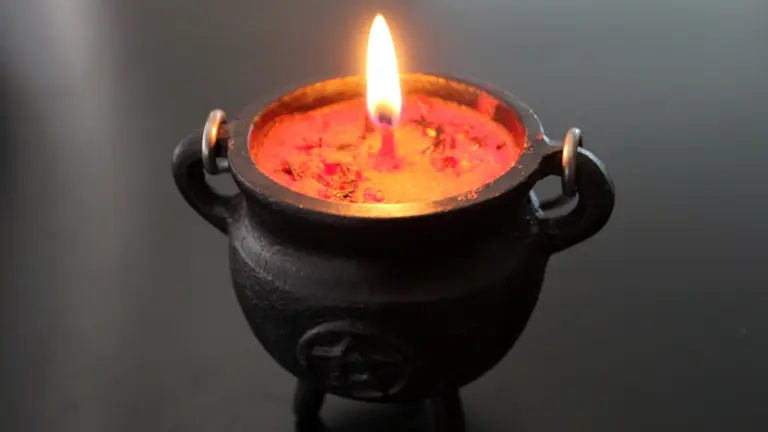
Witchcraft in Islam, called sihr in Arabic, is a forbidden and severely condemned practice. It is mentioned in the Quran and Sunnah as a practice connected to deception, occult means and distance from faith.
Many Muslims seek to understand the signs of witchcraft, possible symptoms, means of protection, supplications to recite and the role of ruqyah. However, this subject must be approached with caution: not every fatigue, illness, family problem or personal blockage is necessarily connected to witchcraft.
This article explains what Islam says about witchcraft, its dangers, possible signs, mistakes to avoid and the means of protection taught by the Quran and Sunnah.
To better understand belief, spiritual protection and matters related to the unseen, visit our page to learn Islam.
Key points about witchcraft in Islam
Witchcraft exists in Islam, but the Muslim should neither live in fear nor accuse others without proof. One should seek protection through Quran, authentic supplications, morning and evening adhkar, lawful ruqyah and complete trust in Allah.
- witchcraft is forbidden in Islam;
- it can only harm by Allah’s permission;
- it should not become an obsession;
- possible signs are never certain proof;
- accusations without proof must be avoided;
- consulting sorcerers, fortune-tellers and charlatans is forbidden;
- protection is based on Tawhid, prayer, Quran, adhkar and lawful ruqyah.
What is witchcraft in Islam?
In Islam, witchcraft refers to forbidden occult practices that aim to harm, deceive, influence or separate people through hidden means. It may involve mysterious words, rituals, objects, knots, symbols or seeking help through invisible forces.
The greatest danger of witchcraft is spiritual. It can turn the heart away from trust in Allah and lead to practices that contradict Tawhid.
Is witchcraft mentioned in the Quran?
Yes, witchcraft is mentioned in the Quran, especially in Surah Al-Baqarah, verse 102. This passage mentions witchcraft, the trial connected to learning it and the seriousness of this practice.
The Quran also mentions the story of the magicians during the time of Pharaoh. These accounts show that witchcraft is not merely a superstition, but also that it remains fully subject to Allah’s power.
Why is witchcraft forbidden?
Witchcraft is forbidden because it relies on occult means, prohibited practices, manipulation, deception and sometimes seeking help from other than Allah. It can damage faith, harm families and push people into fear and dependence on charlatans.
Islam teaches the believer to seek Allah’s help, take lawful means and remain attached to Tawhid.
Possible signs of witchcraft
Some people associate witchcraft with physical, psychological, relational or spiritual troubles. Signs often mentioned include:
- unusual and persistent fatigue;
- pain or discomfort without a clear cause;
- strong anxiety or oppression;
- frequent nightmares;
- sudden or repeated family conflicts;
- unusual difficulty praying or reading Quran;
- a feeling of blockage in important matters.
These signs do not prove witchcraft by themselves. They may also have medical, psychological, emotional, family or social causes.
Important precautions about symptoms
A symptom is not proof. A person suffering physically or psychologically should seek Allah’s protection, but should also consider natural causes.
Islam does not prohibit consulting a doctor, therapist or competent professional when needed. Correct trust in Allah includes taking lawful means.
Witchcraft symptoms in women
Some people search specifically for symptoms of witchcraft in women. Caution is necessary. Difficulties related to marriage, fertility, mood, fatigue, anxiety or family relations should not automatically be attributed to witchcraft.
A woman may recite Quran, perform adhkar, seek Allah’s protection and practice lawful ruqyah. She should also care for her health and avoid fear or guilt.
How to know if someone did magic on you?
It is very difficult to state with certainty that someone performed witchcraft against you. A Muslim must avoid suspicion, accusations and conflicts based on impressions.
The best response is to seek protection through morning and evening adhkar, recite Quran, perform lawful ruqyah if needed, ask Allah for protection and never consult a fortune-teller, sorcerer or charlatan.
How to deal with a suspicious object?
If a person finds strange knots, writings, symbols or an object that seems clearly suspicious, they should not panic or perform unknown rituals.
They may seek Allah’s protection, recite Al-Falaq and An-Nas, avoid unnecessary handling and ask a religiously reliable person for advice.
How to protect yourself from witchcraft in Islam
- preserve the obligatory prayers;
- recite morning and evening adhkar;
- read Quran regularly;
- recite Ayat Al-Kursi;
- recite Al-Falaq and An-Nas;
- perform lawful ruqyah;
- avoid sins and occult practices;
- place trust in Allah without excessive fear.
Ruqyah against witchcraft
Ruqyah against witchcraft consists of reciting Quranic verses and authentic supplications to ask Allah for healing, protection and relief.
A lawful ruqyah may include Al-Fatihah, Ayat Al-Kursi, the last verses of Al-Baqarah, Al-Ikhlas, Al-Falaq, An-Nas and authentic supplications of protection.
For a complete explanation, read our guide on ruqyah in Islam.
Supplications and adhkar against witchcraft
Among the supplications of protection, the Muslim may recite:
أَعُوذُ بِكَلِمَاتِ اللَّهِ التَّامَّاتِ مِنْ شَرِّ مَا خَلَقَ
Transliteration: Aʿudhu bi kalimati Llahi t-tammati min sharri ma khalaq.
Meaning: I seek refuge in the perfect words of Allah from the evil of what He created.
Morning and evening adhkar are important daily protections and should be recited with understanding, sincerity and trust in Allah.
Mistakes to avoid
- attributing every problem to witchcraft;
- accusing relatives without proof;
- abandoning necessary medical care;
- consulting charlatans;
- wearing talismans or protective objects;
- living in permanent fear;
- forgetting that protection comes from Allah alone.
Why avoid fortune-tellers and sorcerers?
It is forbidden to consult a sorcerer, fortune-teller, soothsayer or anyone who claims knowledge of the unseen. A Muslim does not seek healing through prohibited means.
Read more in our article on fortune-telling, divination and superstitions in Islam.
Learning Tawhid for protection
Witchcraft is connected to the foundations of Islamic belief: Tawhid, trust in Allah, the unseen and protection through Quran.
To study these matters with method, explore our Islamic studies online courses, improve your recitation through Quran and Tajweed online, and study Quranic Arabic.
You may also read our article on dua against the evil eye in Islam.
Book your free trial of 30 minutes
Registration form
FAQ — Witchcraft in Islam
Does witchcraft exist in Islam?
Yes, witchcraft is mentioned in the Quran and Sunnah. It is forbidden and considered a serious practice.
What are the symptoms of witchcraft?
Some signs may be mentioned, such as oppression, nightmares, blockages or unexplained troubles. However, these signs do not prove witchcraft.
How can one protect against witchcraft?
Through prayer, Quran, Ayat Al-Kursi, Al-Falaq, An-Nas, morning and evening adhkar, lawful ruqyah and trust in Allah.
Can one consult a fortune-teller to remove witchcraft?
No. Islam forbids consulting fortune-tellers, sorcerers and charlatans. Protection must be sought through lawful means.
Conclusion
Witchcraft in Islam is a reality mentioned in the texts, but it must not become a source of obsession. The believer should avoid prohibited practices, avoid accusing others without proof and seek protection through the Quran and Sunnah.
The greatest protection remains faith, prayer, adhkar, lawful ruqyah, learning Tawhid and complete trust in Allah.



No Comments
No comments yet.