
Arab Culture: Language, Traditions, Hospitality and Heritage
Arab culture is rich, diverse and deeply connected to language, history, family, hospitality, literature, arts, spirituality and daily life. It extends across the Arab world, from North Africa to the Arabian Peninsula, while remaining alive in many Arabic-speaking communities around the world.
For many learners, interest in Arab culture becomes an important motivation to learn Arabic. Some want to better understand the Quran, others want to communicate with an Arabic-speaking family, travel, discover the history of the Arab world or connect with literature, poetry and traditions.
To understand Arab culture, it is important to look at the central role of the Arabic language, the diversity of Arab societies, the importance of hospitality, the influence of Islam and the artistic and intellectual heritage of the Arab world.
What is Arab culture?
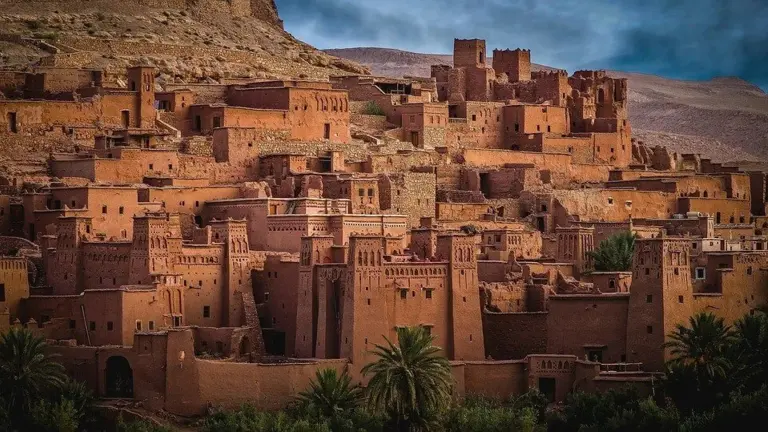
Arab culture refers to the cultural heritage shared by Arab peoples and Arabic-speaking societies. It includes language, customs, values, literature, music, food, architecture, clothing, social life and certain religious influences.
However, Arab culture is not identical everywhere. Morocco, Egypt, Saudi Arabia, Jordan, Lebanon, Yemen, Algeria and other Arab countries each have their own history, dialects, dishes, traditions and local customs.
Arab culture should therefore not be reduced to a single image. It is a shared heritage, but with many regional expressions.
The Arabic language at the heart of Arab culture
The Arabic language plays a central role in Arab culture. It connects people from different countries and gives access to poetry, literature, religious texts, media, proverbs and traditional expressions.
Even when dialects vary from one region to another, written Arabic and shared cultural references create a wider connection across the Arab world.
If you want to understand Arab culture more deeply, learning Arabic is one of the most direct paths. Through the language, you begin to understand expressions, nuances and values that translation does not always fully transmit.
To better understand the development of this language, you can read our article on the history of the Arabic language.
A diverse culture across the Arab world
Arab culture extends across a very large geographical area. The Maghreb, Egypt, the Levant, the Arabian Peninsula, Iraq and Sudan share elements of Arab identity while preserving their own regional characteristics.
This diversity appears in dialects, cuisine, architecture, clothing, music, family traditions and social customs. For example, Moroccan culture is not identical to Gulf culture, and Egyptian Arabic differs from Levantine Arabic.
For learners, this diversity matters. It helps explain why Arabic exists in several forms: Modern Standard Arabic, Quranic Arabic and regional dialects.
To explore this diversity through several countries, you can read our article on Arab countries, culture and the Arabic language.
Hospitality, family and social values
Hospitality is one of the best-known values in Arab culture. Welcoming a guest, offering food, serving coffee or tea, showing generosity and honoring visitors are important practices in many Arab societies.
Family also holds a strong place. Respect for parents, care for relatives and maintaining family ties are often central values in Arab social life.
These values can be expressed differently depending on the country, city, family or religious context, but they remain important elements for understanding Arab societies.
To explore this topic further, read our article on Arab hospitality and welcome expressions.
Food, meals and eating traditions
Arab and Muslim cuisine is very diverse. Dishes, spices, bread, dates, coffee, tea, pastries and family meals play an important role in daily life.
Food traditions vary from one region to another. Meals from the Maghreb, the Middle East, the Arabian Peninsula or East Africa are not identical, but they often share common values: hospitality, sharing, respect for food and the importance of family meals.
In Muslim families, food may also be connected to halal, Ramadan, Eid, gratitude and sharing with relatives or people in need.
To go further, you can read our article on Muslim food culture.
Islam, spirituality and religious heritage
Islam has deeply influenced many aspects of Arab culture, especially because the Quran was revealed in Arabic. Arabic is present in prayer, recitation, supplications, Islamic vocabulary and many classical religious works.
At the same time, Arab culture is not limited only to religion. Arab societies also include ancient Christian communities, Jewish heritage and many local traditions found in different regions of the Arab world.
Learners interested in the religious dimension of the language can study Quranic Arabic and follow online Quran and Tajweed lessons to improve reading and recitation.
To understand the role of Arabic in religious transmission, you can also read our article on the religious history of the Arabic language.
Literature, poetry, calligraphy and arts
Arabic literature and poetry have a major place in Arab culture. Poetry has long been a powerful means of expression, memory, praise, wisdom and social identity.
Arabic calligraphy is another important artistic form. Thanks to the visual richness of Arabic writing, calligraphy became a major art in manuscripts, architecture, decoration and religious art.
Arab culture also includes music, stories, architecture, geometric patterns, traditional crafts and contemporary artistic creation. These elements show that language, beauty and meaning are often connected.
Modern Arab culture: media, diaspora and globalization
Arab culture continues to evolve. Today, it is expressed through cinema, television, literature, social media, education, business, design, fashion and digital communication.
The Arab diaspora also plays an important role. Arab communities around the world preserve language, food, family traditions and religious practices while adapting to new environments.
This modern dimension shows that Arab culture is not only historical. It is alive, changing and connected to global exchanges.
Why learning Arabic helps you understand Arab culture
Studying Arab culture without learning the language gives only a partial view. Translation can explain ideas, but many expressions, emotions, religious references, proverbs and cultural nuances become clearer in the original language.
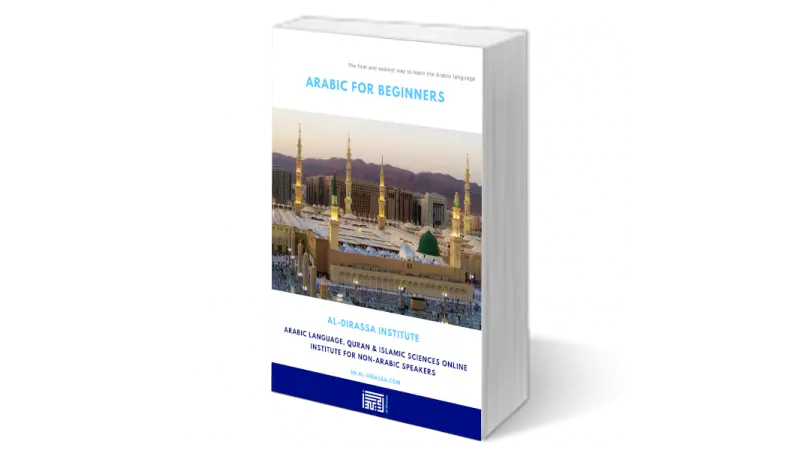
Students can start with the Arabic alphabet, then progress toward reading, pronunciation, vocabulary and grammar. Beginners can also use free Arabic books for beginners to review the basics.
With online Arabic courses, learners can study with a teacher and follow a structured path. Lessons can focus on beginner Arabic, Modern Standard Arabic, Quranic Arabic, reading, pronunciation, vocabulary or grammar.
Families can also choose Arabic classes for kids to help children gradually discover the Arabic language and Arab culture.
Book your free trial of 30 minutes
Registration form
Conclusion: Arab culture is better understood through language
Arab culture is a rich and diverse heritage shaped by language, history, hospitality, family, religion, literature, arts, food and modern life. It is not limited to one country or one tradition.
The Arabic language remains one of the most important keys to understanding this culture. Through Arabic, learners access deeper meanings, expressions, texts and ways of thinking.
To truly connect with Arab culture, learning Arabic with a clear method and teacher correction makes the path more structured, more accurate and more enriching.


No Comments
No comments yet.
No comments yet.