
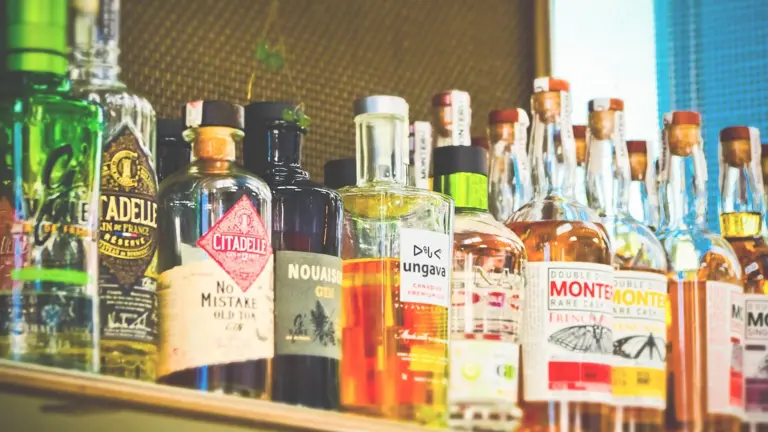
Alcohol is forbidden in Islam because it harms faith, reason, health, family and society. This prohibition is not an isolated rule; it belongs to a complete vision that seeks to protect the human being from what clouds judgment and distances one from worshipping Allah.
In the Quran, the prohibition of alcohol was revealed gradually. This progression shows the wisdom of Islamic legislation: the first Muslims were educated step by step until wine and intoxicating drinks were completely abandoned.
In this article, you will understand the meaning of khamr, the gradual prohibition of alcohol in the Quran, rules concerning intoxicating drinks, small quantities, products containing alcohol and ways to stay away from it.
What Is the Place of Alcohol in Islam?
In Islam, alcohol belongs to what the texts call الخمر, khamr. This term refers to what covers, clouds or alters reason. It therefore does not refer only to wine, but to anything that causes intoxication or impairs the mind.
Reason has an important place in religious responsibility. It allows the believer to understand, choose, pray consciously and distinguish right from wrong.
Everything that destroys or seriously weakens reason is therefore treated with great seriousness.
To understand halal and haram rules as a whole, read our pillar page on forbidden foods in Islam.
The Gradual Prohibition of Alcohol in the Quran
The Quran addressed alcohol in several stages. This gradual process allowed believers to understand its harms and then detach from it completely.
An Initial Warning
The Quran mentions that wine and gambling may contain some apparent benefits, but that their sin and harm are greater than their benefit.
This first stage draws attention to an important reality: something may seem pleasant or useful in the short term while being destructive spiritually, morally and socially.
The Prohibition of Praying While Intoxicated
Another stage consisted of forbidding believers from approaching prayer while intoxicated, until they understood what they were saying.
This rule shows that prayer requires presence, awareness and respect. An intoxicated person does not have the clarity needed to address Allah with concentration.
The Final Prohibition of Wine and Intoxicating Drinks
The final prohibition came when the Quran commanded believers to stay away from wine, gambling and practices linked to ignorance and superstition.
From this revelation, Muslims understood that alcohol had to be abandoned completely because it is among what turns people away from spiritual and social success.
What Do Hadiths Say About Alcohol?
The hadiths of Prophet Muhammad ﷺ confirm the prohibition of alcohol and extend the rule to everything that intoxicates. The general principle is that every substance causing intoxication is forbidden.
An important teaching states that what intoxicates in large amounts is also forbidden in small amounts. This means one should not justify small consumption of an intoxicating drink by claiming it does not immediately cause intoxication.
This rule protects the believer from the beginning, before habit, desire or dependence take over.
Why Is Alcohol Forbidden in Islam?
The prohibition of alcohol rests on several wisdoms. It protects the person’s faith, body, reason, family and relationships with others.
Protecting Reason
Alcohol impairs judgment, weakens self-control and may push a person to say or do things later regretted. Islam gives great importance to clarity, responsibility and moral awareness.
Preserving reason is one of the major objectives of Islamic law. This is why intoxicating substances are forbidden.
Protecting Faith and Prayer
Prayer is a direct link between the servant and Allah. It requires focus, respect and presence of heart. Alcohol distances a person from this awareness and can lead to neglecting religious obligations.
By forbidding alcohol, Islam protects the believer’s relationship with Allah and helps maintain self-control.
Protecting Family and Society
Alcohol can cause family conflicts, violence, accidents, hurtful words and irresponsible behavior. It does not affect only the person who drinks, but also those around them.
Islam forbids what harms oneself and others. Protecting the family, children and society is among the wisdoms of this prohibition.
Protecting Health
Alcohol is associated with many physical and psychological harms. It may affect the liver, brain, behavior, mental health and increase the risk of accidents or addiction.
The body is a trust from Allah. The Muslim should therefore avoid what deliberately harms it and seek to preserve health as much as possible.
Which Drinks Are Halal in Islam?
Halal drinks are those that do not contain intoxicating alcohol or forbidden substances. In general, natural and pure drinks are permitted.
Generally lawful drinks include:
- water;
- milk from permitted animals;
- fruit juices without alcohol;
- tea;
- coffee;
- herbal infusions;
- plant-based drinks without haram ingredients.
The general rule is that drinks are permitted as long as they do not contain forbidden or intoxicating substances.
Which Drinks Are Haram?
Haram drinks are those containing an intoxicating or unlawful substance. This includes:
- wine;
- alcoholic beer;
- spirits;
- alcoholic cocktails;
- intoxicating fermented drinks;
- any drink that impairs reason;
- drinks containing clearly forbidden ingredients.
What matters is not only the name of the drink, but its effect, composition and nature.
Is a Small Amount of Alcohol Permitted?
The general rule is clear: what intoxicates in large amounts is forbidden even in small amounts. A small amount does not become permissible simply because it does not immediately make a person drunk.
This rule closes the door to the gradual normalization of alcohol. It protects the believer before temptation or habit settles in.
Products, Medicines and Foods Containing Alcohol
Some foods, medicines, flavorings or preparations may contain alcohol. Rulings may vary according to the nature of the product, quantity, transformation, intoxicating effect or lack of medical alternatives.
One should not confuse voluntary consumption of an alcoholic drink with more specific technical situations.
In case of doubt about a medicine or necessary product, it is better to ask a qualified person or competent professional.
How to Stay Away from Alcohol
For someone used to drinking, staying away from alcohol may require patience, sincerity and sometimes support. What matters is not despairing of Allah’s mercy and taking concrete means.
- renew your intention for Allah;
- ask forgiveness and make sincere dua;
- avoid places where alcohol is consumed;
- distance yourself from people who encourage this habit;
- replace the habit with beneficial activities;
- seek medical or psychological help in case of addiction;
- come closer to righteous and supportive people.
A relapse should not lead to despair. The believer starts again, asks forgiveness and continues with patience.
Why Learn Halal and Haram Rules?
The question of alcohol shows the importance of learning Islam with method. Halal and haram rules are not merely prohibitions; they aim to protect faith, heart, body and human relationships.
To organize your learning, you can consult our guide to learn Islam step by step.
Al-Dirassa also offers Islamic sciences online courses adapted to beginners, adults and those who want to study Islam progressively.
Book your free trial of 30 minutes
Registration form
FAQ — Alcohol Forbidden in Islam
Why is alcohol forbidden in Islam?
Alcohol is forbidden because it impairs reason, harms faith, weakens prayer, endangers health and may damage family and society.
What does khamr mean in Islam?
Khamr refers to what covers or alters reason. It includes wine, but also every substance that causes intoxication.
Is a small amount of alcohol allowed?
No. What intoxicates in large quantities is forbidden even in small quantities.
Are all fermented drinks forbidden?
What matters is the intoxicating effect and nature of the drink. An intoxicating fermented drink is forbidden. Technical cases should be studied carefully.
Are medicines containing alcohol forbidden?
Medicines may involve specific cases. In necessity or doubt, one should seek advice from a competent professional or qualified Islamic teacher.
Conclusion
Alcohol is forbidden in Islam because it impairs reason, harms faith, weakens prayer, endangers health and may damage family and society.
The Quran and Sunnah therefore guide the believer toward abandoning it completely. Understanding this prohibition helps protect faith, heart and lifestyle.
Learning halal and haram rules with method allows Muslims to practice Islam with more clarity, sincerity and balance.




No Comments
No comments yet.
No comments yet.